As the 139th China Import and Export Fair approaches in 2026, sourcing high-quality Fish Tuna Can products becomes crucial for international buyers. This fair runs in three phases, catering to diverse product categories, with the third phase focusing on food items from May 1 to May 5. With a vast exhibition area of 1.55 million square meters, it showcases countless suppliers.
The introduction of AI technology enhances the experience for attendees. Buyers can efficiently find suppliers meeting specific qualifications, like ISO and CE certifications. This advancement can improve the selection process but may also lead to over-reliance on AI. Are we missing out on personal interactions with suppliers?
While navigating through various booths, the convenience of smart navigation systems facilitates quicker transitions. Still, the sheer number of choices can be overwhelming. In this sea of tuna cans, how can buyers ensure they are selecting the best products? Awareness of quality, pricing, and supplier reliability must guide the decision-making process amidst the AI-driven efficiency.
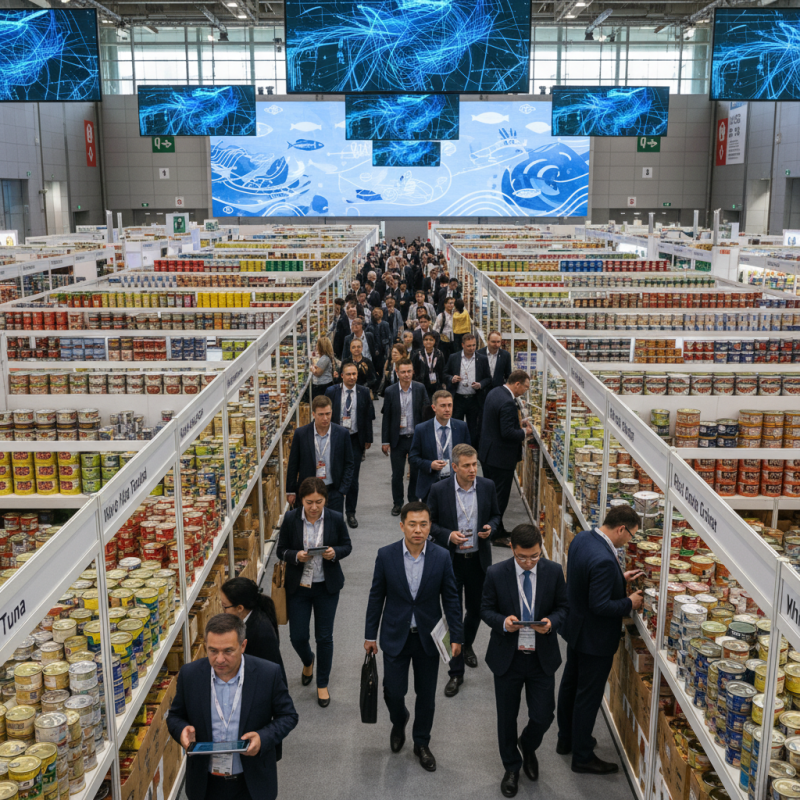
When choosing tuna cans for import, several key factors come into play. The quality of the tuna is paramount. Look for fish that is sustainably sourced. This ensures not only a better taste but also responsible fishing practices. Also, inspect the packaging. Ensure that cans are sealed properly, without dents or rust. A good seal protects the flavor and freshness of the tuna.
Another consideration is the variety of tuna available. Different types, like chunk light or solid white, offer unique flavors and textures. Consider your target market's preferences. For instance, some consumers prefer premium cuts of tuna, while others may opt for more affordable options.
Pricing can also be tricky. It is vital to balance cost and quality. Cheaper options might attract more buyers but could compromise flavor. Reflect on sourcing from reliable suppliers who prioritize quality. Subpar products can lead to customer complaints and hurt your brand's reputation. You want to foster trust, and quality is key in building that relationship.
The China Import and Export Fair is a hotspot for discovering popular tuna brands. Attendees can find various styles and flavors to suit all palates. Each brand brings something unique to the table. Look for options like skipjack, albacore, and flavored varieties that can cater to a wide audience.
Tips: Pay attention to packaging. Good packaging ensures freshness and quality. Consider sustainability, too. Brands that focus on eco-friendly practices might appeal more to a health-conscious market. Quality over quantity is key. A few standout products can outperform many mediocre choices.
Explore the traditional canned tuna, which remains a consistent favorite. However, don’t overlook gourmet options with herbs or spices. These can attract foodies looking for something special. Packaging design can influence buyer decisions. Bold colors and vibrant designs catch the eye. It's important to strike a balance between attractive packaging and genuine quality.
The tuna can industry faces significant sustainability challenges. Overfishing remains a pressing issue. Reports indicate that nearly 30% of global tuna stocks are overexploited. This statistic raises concerns about long-term availability. Sustainable sourcing practices can help mitigate these risks.
Tuna can production increasingly incorporates eco-friendly materials. A notable trend is the shift toward biodegradable packaging. Industry data shows that more than 50% of companies plan to adopt sustainable packaging solutions by 2026. Recycling initiatives are also gaining traction, yet progress remains uneven across regions. Some markets lag in implementing effective recycling programs.
Challenges persist in ensuring traceability throughout the supply chain. Many consumers desire transparency, yet only about 20% of tuna products are certified sustainable. While advances are occurring, the industry must address gaps in certifications and practices. Continued collaboration among stakeholders is essential for meaningful change.
This chart illustrates key metrics relevant to sourcing tuna cans at the China Import and Export Fair 2026, highlighting sustainability practices and market conditions.
As we approach the China Import and Export Fair 2026, understanding trends in tuna consumption becomes crucial. The demand for canned tuna continues to rise. Consumers prefer sustainable and ethically sourced options. Many are also focused on health. Low-fat, high-protein diets are trending. This shift leads to increased popularity for tuna.
When sourcing tuna at the fair, consider the packaging. Sustainable packaging appeals to eco-conscious buyers. Simple, clear labels can attract attention. It's also essential to note flavor preferences. Spicy and gourmet options are gaining traction. These products can stand out in a competitive market.
Tips for success? Focus on product quality. Always ask about sourcing practices. Engage directly with suppliers. Building relationships can lead to better deals. Stay current on market shifts. Regularly assess consumer preferences. Adapting quickly is key. Remember, not all products resonate equally with buyers. Test different varieties. Learn from feedback.
| Tuna Type | Average Price (USD) | Country of Origin | Market Demand (Consumer Preference) | Sustainability Rating |
|---|---|---|---|---|
| Light Tuna | 3.50 | Thailand | High | 3.5/5 |
| Albacore Tuna | 4.20 | USA | Moderate | 4.0/5 |
| Skipjack Tuna | 2.80 | Indonesia | High | 3.0/5 |
| Yellowfin Tuna | 5.00 | Australia | Low | 2.5/5 |
| Tuna in Olive Oil | 4.50 | Spain | High | 4.5/5 |
When considering imported tuna cans, regulatory standards are crucial. Many countries have strict guidelines to ensure product safety. These regulations often cover aspects like the origin of the fish, processing methods, and packaging standards. Compliance with these rules is essential for maintaining quality.
Quality control is another vital factor. Inspecting tuna cans involves various checks. These may include evaluating canned fish for freshness, testing for contaminants, and ensuring proper labeling. However, not all suppliers meet these strict criteria. Some may fall short of expected quality. This raises concerns about the overall reliability of certain imported products.
Understanding these aspects can help importers make informed decisions. Buyers must be vigilant in verifying compliance with regulatory standards. A lack of proper documentation or subpar quality checks can lead to significant issues. Importers should prioritize sourcing from trusted suppliers who uphold high quality control measures. This ensures the final product meets safety and quality expectations.
: Overfishing is a significant issue. Nearly 30% of global tuna stocks are overexploited. This may threaten long-term availability.
Many companies are shifting towards biodegradable packaging. Over 50% plan to adopt sustainable solutions by 2026.
Recycling efforts vary by region. Some markets struggle to implement effective programs. Progress is uneven across the globe.
The demand is rising for sustainable and ethically sourced tuna. Many consumers also prefer low-fat, high-protein options.
Clear and simple labels attract eco-conscious buyers. Flavor preferences like spicy and gourmet options are also popular.
Regulatory standards ensure safety in aspects such as origin and processing. Compliance is crucial for maintaining product quality.
They must verify compliance with standards and check for proper documentation. Relying on trusted suppliers helps maintain quality.
Consumers desire transparency. Yet, only about 20% of tuna products are certified sustainable, indicating gaps in accountability.
Continued collaboration is necessary. Stakeholders must address certifications and practices to create meaningful change in the industry.
Not all suppliers meet the required quality standards. Some may lack adequate quality checks, which raises reliability concerns.
As the China Import and Export Fair 2026 approaches, sourcing the best fish tuna can options requires careful consideration of several key factors. Importers should prioritize aspects such as packaging robustness, sustainability practices in production, and adherence to regulatory standards for quality control. Additionally, understanding current trends in tuna consumption and market preferences will help ensure that the products resonate with consumers.
In exploring the popular tuna brands at the fair, it is essential to evaluate their commitment to environmentally friendly sourcing and production methods. The increasing demand for sustainably sourced fish tuna can reflects consumers' growing awareness of environmental issues. By focusing on these elements, importers can make informed decisions that align with market expectations while promoting responsible sourcing in the tuna industry.

Sunrise Cans