Choosing the right Round Tin Can can seem daunting. Industry expert James Thompson once said, "Selecting the perfect can is essential to protect and enhance your product." His insight highlights the importance of understanding your specific requirements.
Round Tin Cans come in various sizes and finishes. The right choice depends on your product's needs and branding strategy. For example, a smaller can may suit cosmetics, while larger ones work well for food items. Consider materials as well. Not all metals are created equal. Some may not preserve contents effectively.
Reflecting on your choices is vital. Often, businesses overlook the impact of packaging. A well-designed Round Tin Can not only protects your product but also attracts customers. It’s a balance of function and aesthetics. Misjudgments in can selection can lead to wasted resources and poor sales. Therefore, careful deliberation is key.
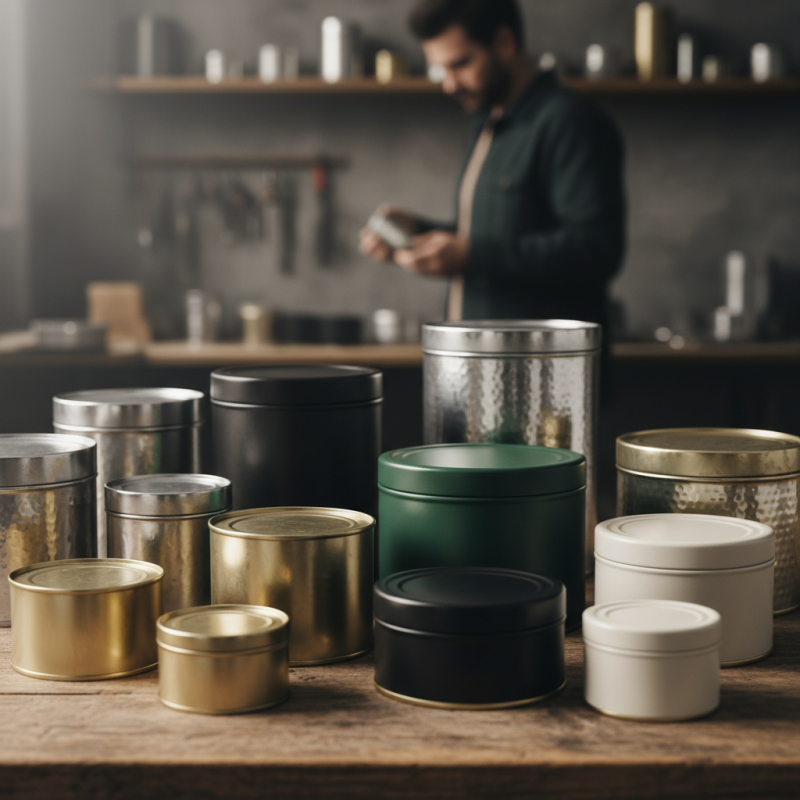
When selecting a round tin can, it's important to understand the different types available. Round tin cans come in various sizes, from small to large. Each size serves a unique purpose. Smaller cans work well for snacks or small items. Larger cans are suitable for bulk goods or larger products.
Tips: Consider the purpose. Are you storing food, crafts, or gifts? The content will dictate the size and lid type. Airtight lids keep food fresh. Simple slip lids are fine for non-perishables.
The material and finish also vary. Some cans have a glossy finish, which adds visual appeal. Others might feature a matte surface, providing a rustic touch. The choice of finish can impact aesthetics and brand image.
Tips: Think about the can's design. A well-designed can attracts attention. It can enhance gifting experiences. Remember, a simple mishap can occur. A can with a sharp edge could cause injury. Always check for safety.
| Type of Round Tin Can | Capacity (oz) | Height (inches) | Diameter (inches) | Common Uses |
|---|---|---|---|---|
| Standard Tin Can | 12 | 4.1 | 3.1 | Food storage, Paint |
| Decorative Tin Can | 16 | 5.0 | 3.5 | Gifts, Storage |
| Lidless Tin Can | 8 | 3.2 | 2.5 | Sample packs, Small items |
| Sealed Tin Can | 24 | 6.0 | 4.0 | Long-term storage of food |
| Custom Print Tin Can | 20 | 4.5 | 3.3 | Marketing, Brand promotions |
When selecting a round tin can, it's essential to evaluate the size and capacity that meets your product needs. The dimensions of the can greatly impact how much content it can hold. For instance, smaller cans are ideal for individual servings, while larger cans cater to bulk packaging. Think about your product type. A thick, viscous material may need a smaller can to facilitate pouring, whereas powders often require larger, more spacious containers.
Tips: Measure your product carefully. Use a scale for precise weight and volume measurements. This will help avoid disappointment later. Additionally, consider shelf space. A can that stands out in size but doesn’t fit on retail shelves might not perform well.
Product compatibility is also key. Ensure your contents don't react adversely with metal. Some materials can cause a reaction, affecting the taste or safety. Review your materials regularly to confirm compatibility. A mismatch can lead to wasted resources and missed opportunities.
Tips: Regularly inspect sample cans. Look for rust or degradation that can compromise quality. Doing this can save you money in the long run. Aim for practical solutions to avoid unnecessary losses. Balancing form and function will prove more beneficial than a visually appealing design alone.
When selecting a round tin can, the quality of the material plays a vital role.
Tin cans are often made from steel with a thin layer of tin. This combination helps prevent rust and corrosion. High-quality tin cans will have thicker walls, providing better durability. They can withstand pressure and impact during transport. Choose a can that feels sturdy in your hands; weight often indicates material quality.
Durability matters, especially for long-term storage. Consider the can's sealing mechanism. A poor seal can compromise your contents. Look for cans with a tight-fitting lid or a screw-on cap for enhanced protection. Be aware of potential rust spots, as they can indicate poor material quality. Even small imperfections may lead to bigger issues over time.
Not all round tin cans are created equal. Some may look appealing but fail under stress. Test their durability by squeezing the sides gently. If they bend easily, they may not serve your needs well. Pay attention to the edges as well; sharp edges can be dangerous. It’s important to find a balance between aesthetics and functionality. Your choice should reflect your specific requirements, whether it's for food storage or craft projects. Carefully evaluate each option before making a decision.
When considering round tin cans, cost-effectiveness is crucial. Analyze your budget before deciding. Do you need them for storage, crafting, or packing? Each use may impact your choice. For instance, buying in bulk often reduces the per-unit cost significantly. However, do you truly need all those cans? Reflect on your actual usage to avoid waste.
In addition, explore different sizes and materials. Larger cans might seem economical, but consider your needs. Smaller, high-quality options may provide better value in some cases. Think about durability and design too. A well-designed can may protect contents better. These are essential aspects to ponder.
Assess the long-term value of your purchase. Often, cheaper cans are not as durable. They might save you money now but lead to replacement costs later. Balancing initial costs with longevity can be complex. Budget carefully and anticipate future needs to make a smart choice.
When selecting a round tin can, consider how customization options can enhance branding and aesthetics. Custom designs can create a strong first impression. Choose colors and graphics that align with your brand identity. This ensures your product stands out on the shelf.
Think about the size as well. A larger can might give more space for design but could lead to higher production costs. A smaller option could save money, but may limit visibility. It’s essential to balance size with functionality. The shape of the can can also influence visual appeal. A unique silhouette can attract more attention.
Tips:
Brainstorm unique themes. They can make your can memorable.
Consider using eco-friendly materials. They reflect your brand's values.
Test designs with focus groups. Feedback can reveal what works or doesn’t.
Customization can be a fun process. However, it's easy to get carried away with designs. Sometimes simpler is better. Reflect on your core message, and don’t overcomplicate it. Simplicity often leads to the most effective branding.
: Round tin cans range from small to large. Smaller cans are great for snacks, while larger ones fit bulk goods.
Consider what you'll store. Food, crafts, or gifts impact your size choice. Bigger may mean more visibility, but could cost more.
Airtight lids keep food fresh. Simple slip lids work for non-perishables. Always think about your contents when choosing.
A glossy finish adds appeal, while a matte surface offers a rustic touch. Consider how aesthetics align with your brand.
Choose colors and designs that reflect your brand. Remember, a larger design space might increase costs.
Always check for sharp edges on cans. Safety is crucial, especially if children will use the product.
Yes, sometimes simpler is better. Overcomplicating designs can dilute your core message. Keep it straightforward.
Absolutely. Eco-friendly materials can align with your brand's values and appeal to environmentally conscious consumers.
Testing designs with focus groups can provide valuable insight. Feedback reveals what resonates and what does not.
Unique themes can make your can memorable. Brainstorm creative ideas that align with your brand's identity.
When choosing the best Round Tin Can for your needs, it's important to understand the different types available, as they vary in structure and functionality. Evaluating the size and capacity is crucial to ensure that the tin can aligns with your product requirements. Moreover, the quality and durability of the materials used in manufacturing Round Tin Cans can significantly impact their effectiveness and longevity, making this a key factor in your selection process.
Cost-effectiveness is another essential consideration; you want to balance quality with your budget to make the most informed decision. Lastly, exploring customization options allows for branding and aesthetic appeal, which can enhance the marketability of your products. By assessing these factors, you can confidently choose the right Round Tin Can that meets your specific needs.

Sunrise Cans