In the world of packaging, few materials are as versatile and reliable as tin cans. According to industry expert Dr. Emily Carter, “Tin cans are not just containers; they are guardians of freshness.” This statement underscores their critical role in preserving food and beverages, ensuring quality and safety for consumers.
Tin cans have a rich history and remain essential in today's market. They provide a robust barrier against light, oxygen, and moisture, extending shelf life significantly. For example, a sealed tin can keep its contents safe for years, making it a practical choice for food storage and distribution.
While the sustainability of tin cans is often lauded, challenges still exist. The recycling process requires energy and resources, raising questions about efficiency. As consumers become more eco-conscious, the industry must strive for improvements. Tin cans indeed play a crucial role in packaging, but their journey towards a sustainable future is still ongoing.
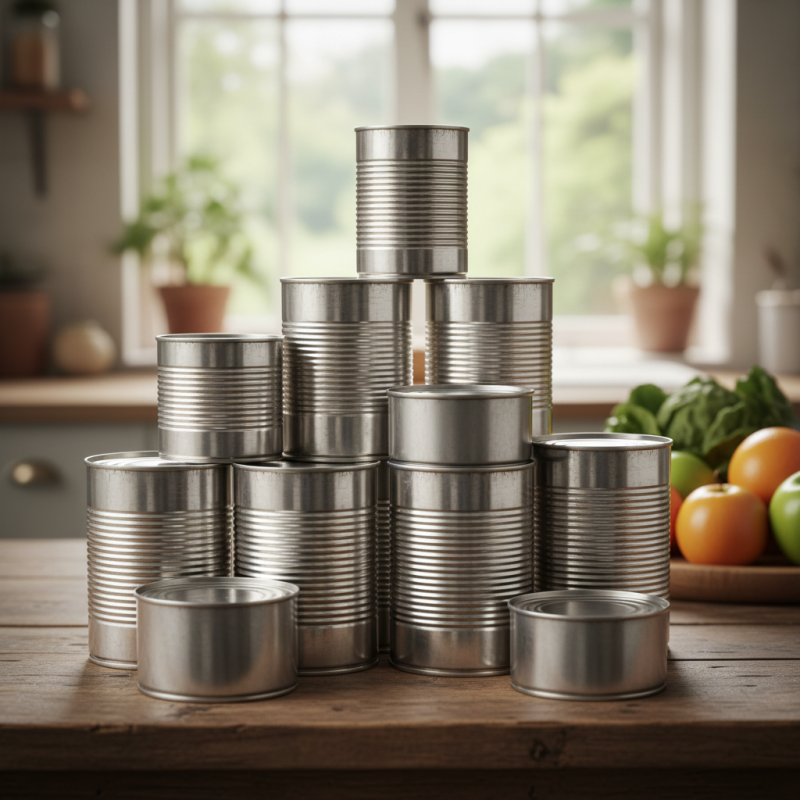
What is a Tin Can? Definition and Historical Context in Packaging
Tin cans are ubiquitous in today's world, but their origins date back to the early 19th century. The first patent for a canned food process was issued in 1810. Though initially, the idea was to preserve food for military and naval use, it soon reached households. This innovative concept allowed perishables to be stored for long periods. Early consumers were skeptical, and cans were often difficult to open. Over time, manufacturing improved, making them more user-friendly.
They are made from tin-coated steel or aluminum. The protective layer prevents rust and preserves contents. Tin cans provide a barrier to external contaminants. This quality maintains food integrity for longer durations. Despite their advantages, they present challenges. Although sturdy, cans can become dented, compromising their seals. Concerns about recycling and packaging waste also arise. Nonetheless, tin cans continue to play a vital role in food distribution and preservation, making life more convenient.
Global Tin Can Production and Usage (2022)
The Manufacturing Process of Tin Cans: From Raw Materials to Finished Product
The manufacturing process of tin cans is both fascinating and complex. It begins with raw materials, primarily steel and tin. The choice of materials is crucial. Steel offers strength, while tin provides corrosion resistance. Each year, the tin can industry produces around 350 billion cans globally. This sheer volume underscores the importance of the manufacturing process.
Once the materials are gathered, they undergo several stages. First, steel sheets are cut into discs. These discs are then shaped into cylinders and seamed. Modern techniques allow for efficient mass production. However, the process is not without challenges. Energy consumption and waste generation are notable issues. For example, a 2020 report indicated that approximately 10% of materials can be lost during production. Improving these aspects remains a work in progress.
After shaping, cans receive a coating to ensure safety and preservation. This step is essential for maintaining the integrity of the contents. With increased consumer demand for sustainability, eco-friendly coatings are gaining traction. Still, manufacturers face the task of balancing cost and environmental impact. As the industry evolves, the focus must remain on enhancing quality while minimizing environmental footprints.
The Role of Tin Cans in Food Preservation and Shelf Life Extension
Tin cans play a vital role in food preservation. They create a sealed environment that keeps out air and bacteria. This method prevents spoilage and extends shelf life. Studies show that canned food retains 85% of its nutrients over time. In contrast, fresh produce often declines quickly after harvesting.
Statistics highlight the effectiveness of tin cans. Research indicates that canned foods can last from two to five years, depending on the type of food. The durability of this packaging can be a double-edged sword; while it ensures longevity, consumers often overlook expiration dates. This oversight can lead to consumption of outdated products, posing potential health risks.
Moreover, the eco-friendliness of tin cans is notable. They are recyclable and conserve energy in production. However, the recycling process isn't always accessible, leading to waste. As we observe the impact of packaging choices, there's a growing need for education on proper food storage and can usage. Addressing these gaps can enhance safety and sustainability in food consumption.
Market Statistics: Tin Can Usage Trends and Consumer Preferences in 2023
The market for tin cans is evolving rapidly. In 2023, the global tin can industry is projected to reach approximately $25 billion. This growth is attributed to rising consumer demand for convenient packaging options. Notably, data from key market reports reveals a 15% increase in tin can usage over the past five years.
Around 70% of consumers prefer products in tin cans for their sustainability. Cans are recyclable and often made from recycled materials. This preference aligns with a growing trend toward environmentally conscious packaging choices. Despite their advantages, some consumers express concerns about the potential leaching of chemicals from the can’s lining.
The canned food sector is thriving, with a 10% annual growth rate expected through 2025. Health-conscious consumers appreciate the long shelf-life and portion control that cans provide. Yet, the challenge remains: brands must ensure that consumers feel confident about the safety of tin can products. Proper education about safety standards and materials used in production can enhance trust in the market. This aspect highlights the need for constant communication between manufacturers and consumers.
What is a Tin Can and Why are They Essential for Packaging? - Market Statistics: Tin Can Usage Trends and Consumer Preferences in 2023
| Category |
Usage Volume (million units) |
Market Share (%) |
Consumer Preference (%) |
| Beverages |
1500 |
40 |
70 |
| Food |
1000 |
30 |
65 |
| Other Products |
500 |
20 |
50 |
| Recyclability Concern |
N/A |
N/A |
85 |
Environmental Impact and Sustainability of Tin Can Packaging Solutions
Tin can packaging has become a staple in modern distribution. They are lightweight, durable, and cost-effective. These features make them ideal for various products, including food and beverages. However, the environmental impact of tin cans raises important concerns. Manufacturing processes require energy and raw materials, but the story doesn't end there.
Recycling is a significant advantage of tin cans. They are made of recyclable materials, reducing landfill waste. Approximately 70% of steel containers are recycled each year. This process conserves resources and minimizes production emissions. However, not all consumers recycle effectively. Education on proper recycling practices remains a challenge.
Sustainability is another critical aspect. Many manufacturers are working to improve their environmental footprint. This includes using renewable energy in production and reducing water usage. Yet, achieving complete sustainability is complex. Certain packaging materials may be easier to recycle than others. Balancing cost, functionality, and eco-friendliness is an ongoing challenge for the industry. While tin cans offer many advantages, ongoing reflection and improvement are necessary to enhance their role in a sustainable future.
FAQS
: Tin cans are primarily made from steel and tin. Steel provides strength, while tin offers corrosion resistance.
Approximately 350 billion cans are produced globally every year. This highlights the industry's significance.
The process includes cutting steel sheets into discs, shaping them into cylinders, and seaming.
Energy consumption and waste generation are notable issues. About 10% of materials can be lost during production.
Cans receive a coating that ensures safety and preserves the contents. Eco-friendly coatings are becoming popular.
The market is growing, expected to reach around $25 billion. Consumer demand for convenient packaging is increasing.
About 70% prefer them due to their recyclability and sustainability. However, some worry about chemical leaching.
The canned food sector is thriving, with a projected 10% growth rate until 2025.
They value the long shelf-life and portion control offered by canned foods.
Ongoing education about safety standards and materials is essential for enhancing trust and confidence.
Conclusion
Tin cans are a vital packaging solution that have evolved significantly over time. Initially developed for food preservation, these containers utilize a manufacturing process that transforms raw materials into durable products. Their effectiveness in extending shelf life and ensuring food safety has made tin cans an essential part of the food industry. In 2023, market statistics indicate a growing preference among consumers for tin can packaging, driven by its functionality and convenience.
Furthermore, the sustainability of tin cans is increasingly important in today’s environmentally conscious society. Their recyclability and minimal environmental impact highlight the advantages of tin can packaging solutions. Overall, tin cans offer a reliable and sustainable choice for both manufacturers and consumers, reinforcing their role in modern packaging dynamics.

 Sunrise Cans