Buying Aluminum Beverage Cans in bulk can reduce unit costs, but the cheapest quote is rarely the safest choice. Buyers must examine can dimensions, alloy strength, internal coating, printing quality, pallet stability, and delivery schedules. A 12-ounce can may look standard, yet small differences in neck design can affect filling-line performance. That detail matters.
John A. Hayes, former CEO of Ball Corporation, once observed, “The can is the most recycled beverage container in the world.” His statement highlights both the material’s commercial value and its environmental responsibility. However, recyclability alone does not guarantee a reliable purchase. Suppliers still need to provide consistent specifications, traceable production records, and clear quality controls.
This guide presents ten practical tips for evaluating Aluminum Beverage Cans in bulk. It considers more than price. Readers will learn how to compare minimum order quantities, inspect sample cans, confirm food-contact suitability, and calculate freight costs accurately. Warehouse conditions also deserve attention. Humidity, stacking pressure, and damaged pallets can quietly create losses.
Some assumptions may fail.
A low-cost order may require expensive adjustments later. A trusted supplier may still miss a delivery window. Buyers should question every promise and request evidence before approving large quantities. The strongest decisions combine technical knowledge, supplier experience, and careful documentation. They also leave room for honest review when a purchase does not perform as expected.
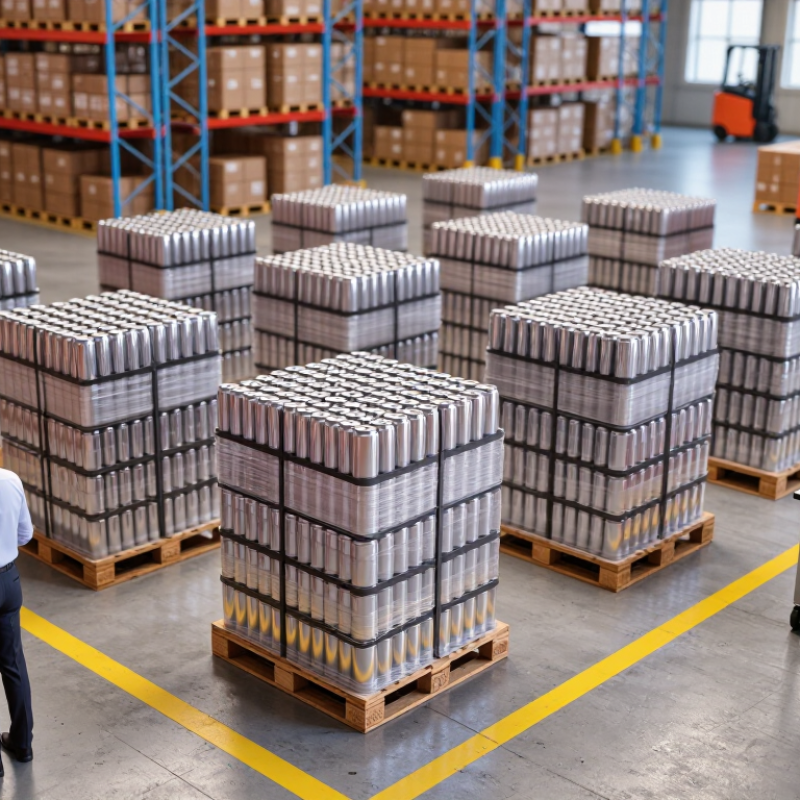
Define your beverage can requirements before discussing price or volume. Record beverage type, fill temperature, carbonation level, can diameter, height, lid size, coating, and decoration method. Carbonated drinks may need stronger specifications than still beverages. The Aluminum Association reports that aluminum cans contain about 73% recycled content on average. It also states that recycling aluminum uses about 95% less energy than producing primary aluminum. These figures support a clear sustainability requirement, not just a marketing claim.
Calculate demand from real production data. Multiply monthly output by the supplier’s lead time, then add a controlled safety stock. For example, 10,000 cans monthly, an eight-week lead time, and a 15% buffer require roughly 23,000 cans. Check the supplier’s minimum order quantity, pallet count, storage space, and expected defect rate. Smithers’ metal packaging research identifies convenience and sustainability as continuing demand drivers through 2028. Your volume may grow, but do not purchase blindly. Overstocked cans consume warehouse space and cash.
Ask for written tolerances, sample approval, and delivery records. Confirm whether the quoted quantity means usable cans or total shipped units. The Aluminum Association’s 2024 recycling data also shows that collection and recycling performance remains uneven across regions. Local recovery conditions may affect your sustainability calculations. My first forecast would remain provisional. Seasonal sales, filling losses, and damaged cartons can quickly change the required volume. Review the order after one production cycle.
Buying aluminum beverage cans in bulk requires more than comparing prices. The International Aluminium Institute reports that recycled aluminum uses about 95% less energy than primary aluminum. That advantage depends on consistent alloy quality, clean scrap content, and reliable forming performance.
Check the alloy grade, wall thickness, and seam structure before ordering. Thin walls reduce material use, but they can dent during stacking or filling. Match the can diameter and height with your filling line, seamer, trays, and cartons. A small neck difference can stop production. It happens more often than expected. Confirm internal lacquer compatibility with acidic, carbonated, or flavored drinks. Ask for migration testing, coating specifications, and batch certificates. The wrong lining may affect taste, appearance, or shelf stability.
Size selection should follow serving demand and transport conditions. Common formats include slim, standard, and tall cans, but dimensions vary between suppliers. Request physical samples and run a short compatibility trial. Review the Can Manufacturers Institute’s technical guidance and the International Aluminium Institute’s lifecycle data when comparing material claims. Be cautious with recycled-content percentages; they may describe factory scrap, post-consumer material, or a mixed average. Those figures are not interchangeable. A lower quoted price may hide higher rejection rates, weaker pallets, or unsuitable coatings. I would leave room for this mistake in the purchasing plan.
| Tip | Evaluation Dimension | Recommended Specification or Benchmark | What to Check Before Buying | Typical Application | Bulk-Buying Risk to Control |
|---|---|---|---|---|---|
| 1 | Aluminum Alloy and Temper | Use beverage-can-grade aluminum sheet, commonly based on 3xxx-series alloys for the body and 5xxx-series alloys for ends. Confirm the supplier's alloy and temper documentation. | Request a material certificate, alloy designation, temper condition, thickness range, and applicable food-contact compliance documents. The material should be suitable for deep drawing and end forming. | Carbonated soft drinks, sparkling water, energy drinks, beer, and other non-alcoholic or alcoholic beverages. | Inconsistent formability can cause split bodies, wrinkled necks, cracked ends, or excessive scrap during filling. |
| 2 | Can Wall and End Thickness | Modern lightweight cans often use a body thickness of roughly 0.09–0.13 mm and an end thickness of roughly 0.20–0.30 mm, depending on size, design, and pressure requirements. | Compare nominal thickness, minimum thickness, dimensional tolerances, can weight, buckle resistance, and end-panel performance. Do not judge quality by weight alone. | Lightweight high-volume packaging where transport efficiency and material savings are important. | Material that is too thin for the product or filling process may increase denting, buckling, leakage, and line stoppages. |
| 3 | Can Size and Fill Volume | Common nominal sizes include 250 mL, 330 mL, 355 mL, 440 mL, and 500 mL. Actual fill volume should be verified against the selected can format and market requirements. | Confirm external height, body diameter, neck diameter, pallet count, carton quantity, and allowable fill-volume tolerance. Check whether the size fits existing trays and cartons. | Single-serve beverages, convenience retail, vending, food service, and larger multipacks. | A size mismatch can require new filling settings, packaging tools, secondary packaging, and warehouse storage plans. |
| 4 | Neck Diameter and End Format | Standard narrow-neck formats commonly use a 202-size end, with an approximate end diameter of 52.4 mm. Other end formats may be required for specialty products. | Match the can neck, end diameter, lid profile, tab type, and chuck specifications with the seamer and filling line. Verify double-seam dimensions through production trials. | Most modern beverage cans using high-speed filling and seaming equipment. | Incompatible ends or necks can create poor seams, product leakage, flange damage, and equipment downtime. |
| 5 | Internal Coating and Product Compatibility | The internal lacquer should be designed for the beverage's acidity, alcohol level, carbonation, salt content, and storage conditions. Common systems include epoxy-based, acrylic, or BPA-NI alternatives. | Request migration testing, extractables data, coating type, curing conditions, and compatibility results for the exact beverage formula. Check performance after pasteurization or thermal processing if applicable. | Acidic drinks, carbonated beverages, alcoholic drinks, juices, flavored waters, and functional beverages. | Coating failure may lead to flavor changes, discoloration, corrosion, hydrogen generation, or loss of package integrity. |
| 6 | External Coating and Print Surface | The outside surface should provide uniform adhesion for ink, varnish, labels, or shrink sleeves. Decorative coatings must withstand handling, condensation, and refrigerated storage. | Check surface cleanliness, coating uniformity, color consistency, rub resistance, scratch resistance, gloss, and compatibility with the planned decoration method. | Printed retail cans, promotional packaging, private-label products, and refrigerated beverages. | Poor surface preparation can cause ink adhesion problems, scuffing, barcode failure, and inconsistent shelf appearance. |
| 7 | Carbonation and Pressure Resistance | The can must withstand the beverage's internal pressure at the highest expected temperature. Carbonated products require verified buckle, burst, and pressure-resistance performance. | Provide product carbonation level, filling temperature, storage temperature, and shelf-life targets. Review pressure-test results and confirm that the can design is approved for the intended beverage. | Carbonated soft drinks, soda water, beer, sparkling beverages, and nitrogen-dosed products. | Pressure-related deformation, paneling, end inversion, or bursting can occur when the package is under-designed or mishandled. |
| 8 | Seam and Filling-Line Compatibility | The can body, flange, end, and seam must match the filler-seamer's tooling and operating parameters. A double seam should be verified using measurements and teardown inspections. | Confirm line speed, seamer model, chuck size, roll profiles, flange dimensions, seam thickness, seam height, overlap, and pressure-testing procedures. | High-speed beverage filling lines and contract packing operations. | Small dimensional differences can produce false seams, cut-throughs, leaks, or frequent line adjustments. |
| 9 | Quality Control and Defect Limits | Define acceptance limits for dents, pinholes, scratches, coating defects, flange damage, ovality, height, diameter, and end defects before placing a bulk order. | Ask for an inspection plan, sampling method, AQL or internal defect criteria, batch traceability, certificate of analysis, and corrective-action process. | Large-volume procurement where a single defective batch could interrupt production or create major rework costs. | Unclear quality standards make it difficult to reject nonconforming cans or recover costs after delivery. |
| 10 | Palletization, Storage, and Delivery | Cans should be delivered clean, dry, protected from deformation, and secured on stable pallets. Storage should be indoors, dry, and away from chemicals, moisture, and excessive heat. | Confirm pallet dimensions, carton or sleeve quantity, stacking height, protective wrapping, loading method, lead time, minimum order quantity, and batch identification. | Long-distance supply chains, seasonal demand planning, and high-volume beverage production. | Moisture, compression, poor stacking, and transport movement can cause corrosion, dents, contamination, and damaged flanges. |
10 Tips for Buying Aluminum Beverage Cans in Bulk
Buying aluminum beverage cans in bulk requires more than comparing the price per thousand. A reliable supplier should explain alloy grade, can dimensions, wall thickness, and production capacity. Request samples from the actual production line. Check the rim, interior coating, print quality, and dents after transport simulation. Small defects become expensive when filling lines stop.
Ask for current food-contact compliance documents and independent test reports. Verify the issuing body, test scope, product size, and expiration date. Certificates should match the factory producing your cans. A document alone is not proof of consistent quality. Review batch records, inspection reports, and corrective-action procedures. This step is often rushed. That is a mistake.
Compare landed cost, not only the quoted unit price. Include tooling, coatings, printing plates, packaging, freight, duties, and storage. Minimum order quantities can vary by size, finish, and printing method. Ask whether mixed sizes or phased deliveries are possible. A lower MOQ may carry a higher unit cost, but it can reduce cash tied in inventory. Before signing, confirm lead times, payment terms, replacement policy, and claims procedure. Record every assumption in the quotation. Freight estimates can be too optimistic when fuel costs change. Leave room for that error.
When buying aluminum beverage cans in bulk, request production samples before approving the full order. Check the rim, seam, wall thickness, print alignment, and internal coating. Fill several cans with the intended beverage, then inspect them after transport simulation. A sample may look perfect but fail after vibration or temperature changes. Ask for dimensional tolerances and material specifications. The Aluminum Association reports that beverage cans contain about 73% recycled aluminum on average, so suppliers should explain their material controls and test records.
Packaging standards deserve equal attention. Confirm pallet dimensions, carton strength, moisture protection, stacking limits, and loading methods. Cans should arrive clean, dry, and free from crushed edges. The Can Manufacturers Institute reported a U.S. aluminum beverage can recycling rate of about 43% in 2022, which reinforces the value of recyclable, clearly documented packaging systems. Still, recycled content does not excuse weak cartons or poor handling. I have seen small packaging shortcuts create large warehouse losses.
Delivery schedules need written milestones, not vague promises. Request the production date, inspection date, loading date, transit window, and delay procedure. Keep buffer stock for seasonal demand, port disruption, or rejected samples. Storage also matters. Keep pallets indoors, away from condensation, chemicals, direct sunlight, and uneven floors. International Aluminium Institute data indicates aluminum recycling can save roughly 95% of the energy used for primary production. That benefit becomes less meaningful when damaged cans become waste. I sometimes underestimate storage space, especially when orders arrive earlier than planned. Recheck inventory capacity before signing.
A bulk can contract should define more than price and delivery dates. Specify alloy grade, can volume, diameter, wall thickness, coating requirements, pallet standards, and acceptable defect rates. Include approved tolerances for dents, scratches, distorted rims, and leaking seams. The International Aluminium Institute reports that recycled aluminium requires about 5% of the energy used for primary aluminium. Therefore, require documented recycled-content percentages and material certificates when sustainability affects purchasing decisions. Do not rely on verbal promises.
Inspect shipments before signing the delivery receipt. Count pallets, photograph wrapping damage, and compare lot numbers with the packing list. Check random cans for rim deformation, coating flaws, internal corrosion, and seam quality. A simple water-pressure or dimensional test can expose problems early, although it cannot replace laboratory testing. The 2022 U.S. Beverage Can Recycling Rate Report recorded a 43% recycling rate, showing why material traceability and recovery planning deserve attention. I have seen teams inspect only the top layer. That is a weak habit.
Future orders need a written review process. Track fill rates, defect claims, lead-time variation, and response speed after every shipment. Share a rolling forecast, but separate firm quantities from estimates. Maintain safety stock for seasonal demand, while reviewing storage space and moisture exposure. Contracts should explain inspection windows, replacement duties, credit procedures, and transport damage responsibilities. One overlooked detail can disrupt thousands of packed units. My own purchasing plans have sometimes overestimated demand; monthly forecast corrections are uncomfortable, but they prevent expensive excess inventory.
Record the beverage type, fill temperature, carbonation level, can size, lid size, coating, and decoration method. Carbonated drinks may need stronger specifications. Write everything down.
Multiply monthly output by supplier lead time, then add controlled safety stock. For 10,000 cans monthly, an eight-week lead time, and a 15% buffer, plan roughly 23,000 cans. Check minimum order quantities, pallet counts, storage space, and defect rates.
Use real production data instead of optimistic sales forecasts. Separate firm quantities from estimates. Overstocked cans occupy warehouse space and tie up cash. My first forecast would remain provisional.
Confirm alloy grade, wall thickness, seam structure, diameter, height, and rim dimensions. Match them with your filling line, seamer, trays, and cartons. A small neck difference can stop production.
Confirm internal lacquer compatibility with acidic, carbonated, and flavored drinks. Request migration testing, coating specifications, and batch certificates. The wrong lining may affect taste, appearance, or shelf stability.
Yes. Run a short filling and sealing trial with physical samples. Check dents, seam performance, coating flaws, and carton fit. Small trials can reveal expensive problems early.
Define volume, dimensions, alloy, wall thickness, coating, pallet standards, and acceptable defect rates. Include tolerances for dents, scratches, distorted rims, and leaking seams. Do not rely on verbal promises.
Count pallets and photograph damaged wrapping before signing delivery documents. Compare lot numbers with the packing list. Inspect cans from different layers, not only the top. That weak habit needs correction.
Request documented recycled-content percentages and material certificates. Clarify whether figures cover factory scrap, post-consumer material, or a mixed average. These figures are not interchangeable.
Track fill rates, defect claims, lead-time changes, and supplier response speed after every shipment. Review forecasts monthly. Seasonal demand, filling losses, damaged cartons, and moisture exposure may change your plan. Forecast corrections are uncomfortable, but useful.
Buying Aluminum Beverage Cans in bulk requires careful planning to ensure quality, efficiency, and cost control. Start by defining your beverage type, expected sales volume, can size, shape, coating, and compatibility with filling and sealing equipment. Consider the aluminum grade, interior protection, printing requirements, and resistance to pressure or acidity. When comparing suppliers, review certifications, production capacity, pricing, lead times, and minimum order quantities. Clear communication about technical specifications can help prevent costly misunderstandings.
Before placing a large order, request samples to evaluate appearance, fit, sealing performance, and overall durability. Confirm packaging standards, pallet arrangements, delivery schedules, and storage conditions to protect cans from moisture, dents, and contamination. The final contract should clearly state product specifications, quantities, inspection procedures, payment terms, and responsibilities for damaged or nonconforming goods. After delivery, inspect shipments promptly and record quality results. Maintaining accurate purchase records and supplier performance data will make future bulk orders more predictable and support steady production planning.

Sunrise Cans