In the evolving landscape of packaging, Aluminium Tin Containers have become a focal point for global procurement. Attention to sustainability and product preservation is crucial. With a growing demand from various industries, these containers present unique opportunities and challenges. According to industry expert Dr. Alice Reynolds, "Aluminium Tin Containers are not just containers; they represent a shift towards sustainable packaging solutions."
The versatility of Aluminium Tin Containers allows for a variety of applications. They are popular in sectors like food, beauty, and pharmaceuticals. Their lightweight nature and durability contribute to lower shipping costs and reduced waste. However, not all Aluminium Tin Containers meet the same standards. Some may lack the durability required for prolonged storage. Quality control is essential, and businesses must remain vigilant.
As global procurement needs evolve, understanding the dynamics of Aluminium Tin Containers is vital. Companies must weigh the benefits against potential pitfalls. Strategic partnerships and thorough research will enhance decision-making processes. The packaging industry is complex, and each choice can impact the environment. Investing in high-quality Aluminium Tin Containers can lead to a better future for both businesses and consumers.
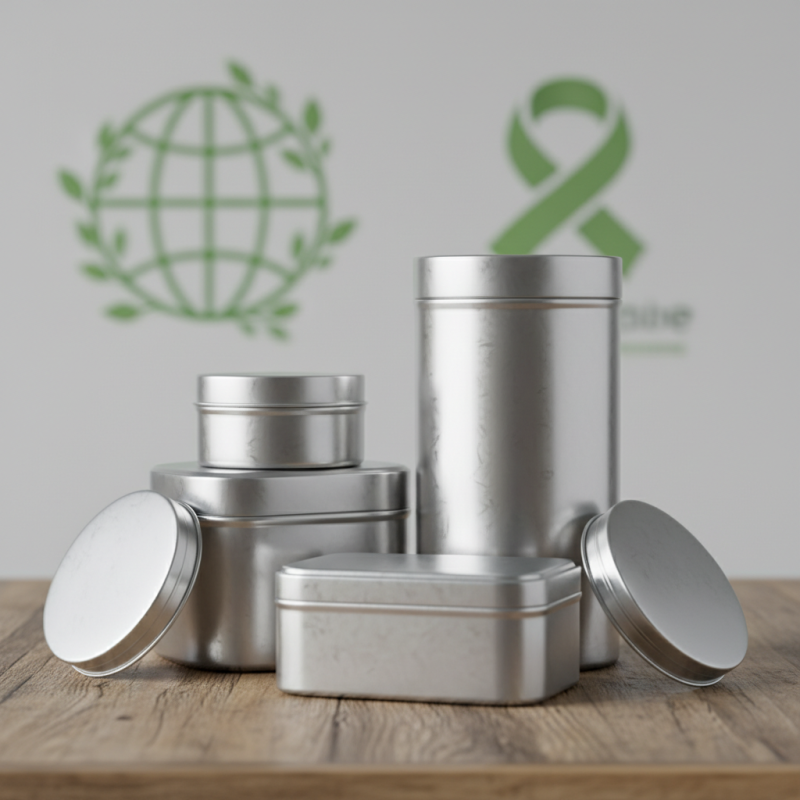
Aluminium tin containers are widely used in various industries. They serve essential roles in food, pharmaceuticals, and cosmetics. These containers are lightweight and resistant to corrosion, making them ideal for packaging.
In the food industry, aluminium containers preserve product freshness. Their airtight seals prevent contamination. This is crucial for maintaining taste and quality. In pharmaceuticals, they protect sensitive medications from light and moisture. Cosmetics benefit from aluminium’s ability to be shaped into attractive designs, enhancing product appeal.
Despite their advantages, not all aluminium containers are equal. Sourcing sustainable materials remains a challenge. The recycling process for aluminium is not always efficient. There is ongoing debate about the best solutions. Striking a balance between durability and environmental impact is vital. The future of aluminium tin containers will require innovation and reflection on these issues.
Aluminium tin containers are becoming essential for various global procurement needs. Their lightweight design significantly reduces shipping costs. Many industries prefer them for packaging due to durability and resistance to corrosion. The ability to keep contents fresh for an extended period is a key benefit. This feature is particularly valuable in food and pharmaceutical sectors.
One often overlooked aspect is the recyclability of these containers. Aluminium is one of the most recyclable materials available. However, not all facilities handle recycling efficiently. Users must ensure their local recycling program can process these containers properly. This may not always be the case, creating a gap in sustainability efforts.
In terms of design, aluminium tin containers offer versatility. They can be tailored for various shapes and sizes, accommodating diverse products. Yet, the aesthetic appeal can vary widely. Some containers may lack the necessary finish, impacting brand perception. It’s crucial to balance function with visual appeal for optimal results.
The global trends in aluminium tin container sourcing reflect a dynamic market shaped by sustainability and innovation. Reports indicate that the aluminium packaging market is expected to grow at a CAGR of 3.9% through 2026. This growth is driven by increased consumer demand for environmentally friendly packaging solutions. Aluminium is fully recyclable, making it a preferred choice for various industries.
In addition to sustainability, there are challenges in sourcing aluminium tin containers. The rising costs of raw materials have impacted pricing structures. According to industry experts, the price of aluminium peaked in the past few years but is now showing signs of stabilization. Manufacturers must adapt to these fluctuations to maintain competitiveness. Sourcing strategies will need to account for these changes, fostering local partnerships and exploring alternative suppliers.
As companies look to meet procurement needs, transparency in the supply chain becomes crucial. Recent surveys show that over 70% of consumers prefer brands that demonstrate responsible sourcing practices. This highlights the importance of aligning sourcing decisions with consumer expectations. Firms may need to reassess their sourcing processes to enhance reliability and credibility. Adjustments in strategy can help organizations navigate these complex market dynamics effectively.
The aluminum tin container industry is evolving rapidly. Key manufacturers play a vital role in global procurement. These companies focus on innovation and sustainability while meeting diverse packaging needs. They contribute significantly to sectors like food, beverages, cosmetics, and pharmaceuticals.
Many suppliers prioritize quality and efficiency. They invest in advanced technology to enhance production capabilities. However, challenges remain in sourcing raw materials and ensuring consistent supply. Suppliers must navigate fluctuating market conditions. Transparency in sourcing is also crucial for building trust with clients.
Market demand for aluminum containers is on the rise. Choosing reliable suppliers can make a difference. Businesses must assess their needs carefully. Failing to do so might lead to inefficiencies. Ultimately, understanding the industry landscape helps companies make informed decisions.
The production of aluminium tin containers raises significant sustainability concerns. Environmental impacts are crucial as industries shift towards greener practices. Recent reports indicate that aluminium production accounts for approximately 1% of global greenhouse gas emissions. Thus, the pursuit of more sustainable methods is imperative.
Recycling plays a vital role in reducing these emissions. According to the International Aluminium Institute, recycling aluminium saves up to 95% of the energy required to produce new aluminium from raw materials. This process not only lowers the carbon footprint but also conserves natural resources. The recycling rate for aluminium containers is around 75%, which is commendable yet leaves room for improvement.
Looking ahead, manufacturers face challenges in ensuring the sustainability of their supply chains. The extraction and processing of bauxite, the primary source of aluminium, can lead to ecological damage. Companies must address these environmental issues through enhanced regulation and responsible sourcing practices. Continuous innovation in production techniques is also essential, as the current systems can be improved for greater efficiency. Each step taken towards responsible production impacts the overall sustainability of aluminium tin containers.
| Container Type | Capacity (ml) | Weight (g) | Recycled Content (%) | Sustainability Rating (1-5) |
|---|---|---|---|---|
| Standard Tin Can | 330 | 15 | 75 | 4 |
| Aluminium Beverage Can | 500 | 12 | 85 | 5 |
| Decorator Tin | 250 | 20 | 60 | 3 |
| Heavy Duty Container | 1000 | 50 | 90 | 4 |
| Eco-Friendly Tin | 300 | 16 | 100 | 5 |
: They are used in food, pharmaceuticals, and cosmetics industries.
They preserve freshness and have airtight seals to prevent contamination.
They protect sensitive medications from light and moisture.
They can be shaped into attractive designs, enhancing visual appeal.
Environmental impacts and efficient recycling are major challenges.
It saves up to 95% of energy compared to producing new aluminium.
The recycling rate is around 75%, indicating room for improvement.
Ecological damage from extracting bauxite is a significant concern.
It helps address environmental issues in sourcing processes.
Current systems require innovation for greater efficiency and sustainability.
Aluminium Tin Containers have become increasingly prominent in various industries due to their versatility and lightweight properties. These containers are widely utilized for packaging food, beverages, cosmetics, and pharmaceuticals, owing to their excellent barrier protection and recyclability. The growing global trend toward sustainability has led to an increased demand for Aluminium Tin Containers, as they offer eco-friendly advantages over plastic alternatives.
The sourcing landscape for Aluminium Tin Containers is evolving, with major manufacturers focusing on innovative designs and improved production processes to meet the rising procurement needs. Key features such as durability, corrosion resistance, and aesthetic appeal drive their popularity among businesses. As environmental concerns continue to shape market dynamics, sustainability considerations are becoming paramount in the production of Aluminium Tin Containers, prompting suppliers to adopt greener practices and materials.

Sunrise Cans