In the world of packaging, the Aluminum Canister stands out for its versatility and durability. It’s an essential choice for brands seeking reliable storage solutions. With a variety of options available, choosing the right canister can be overwhelming. Global buyers need to navigate various styles and functionalities.
Aluminum Canisters come in multiple sizes and designs, catering to different industry needs. They serve a range of purposes, from food packaging to cosmetic storage. This showcases their adaptability and broad appeal. However, not all canisters are created equal. Some may lack the necessary protective features. Quality often varies, and it's crucial to assess each option critically.
The goal here is to present the top ten Aluminum Canister options that stand out in the market. Through careful selection, buyers can find reliable options that meet their specific requirements. Yet, even the best choices may have limitations. It's essential to consider these aspects before making a purchase, ensuring every canister aligns with your brand's operational standards.
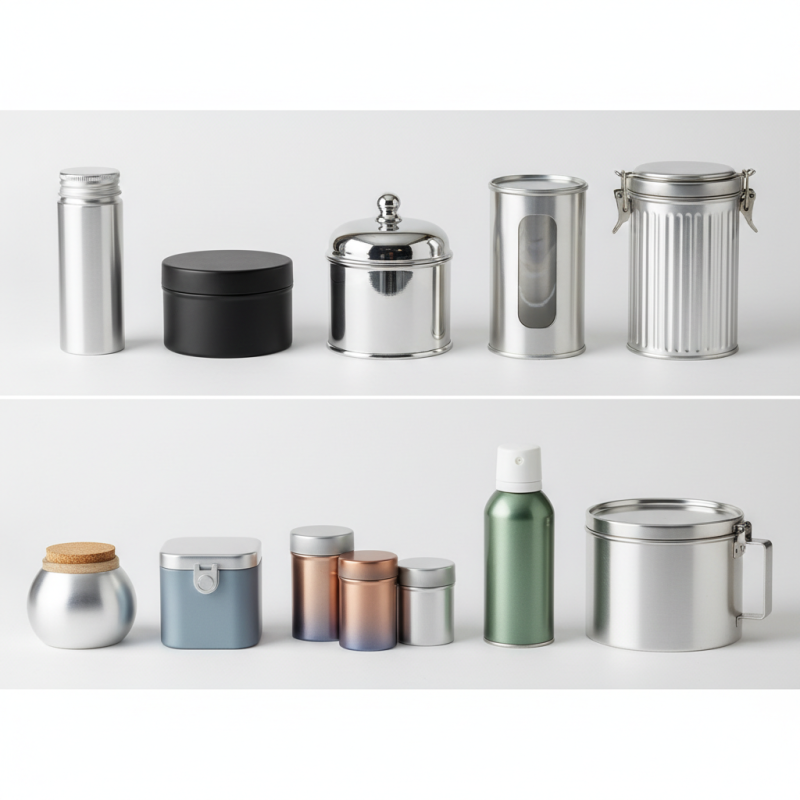
Top Trends in Aluminum Canister Design for Global Markets
The global market for aluminum canisters is witnessing exciting trends in design that cater to diverse consumer needs.
A recent report by Smithers indicates that the aluminum packaging market is expected to grow at a
CAGR of 5.5% through 2025. Modern designs emphasize sustainability,
with manufacturers focusing on recycled materials. This aligns with consumer preferences for eco-friendly packaging solutions.
Innovative features are also emerging in canister design. Many options now incorporate easy-pull tabs and smaller,
more lightweight structures, appealing to convenience-oriented buyers. A study from Grand View Research shows
that 70% of consumers prioritize user-friendly designs when choosing packaging.
However, some designs still face challenges related to durability, which can be a concern for both consumers and manufacturers.
Tip: When selecting canisters, consider those that promote sustainability through recyclable materials.
Look for designs that enhance usability, ensuring the canister is easy to open and handle.
Additionally, reflect on the balance between aesthetic appeal and functionality; sometimes, a sleek design may
compromise practicality.
Key Specifications and Features to Consider When Choosing Aluminum Canisters
When selecting aluminum canisters, it’s essential to evaluate key specifications carefully. Look for canisters with varying capacities. Options may range from small, 250ml containers to larger, 1-liter versions. This variety allows for flexibility based on your storage needs. Weight is also a consideration. Lightweight options are great for travel, while heavier canisters may offer added durability.
The sealing mechanism is crucial as well. Airtight seals preserve contents, preventing moisture or air exposure. Some canisters have threaded lids, while others utilize snap-on designs. It’s wise to determine which style suits your use case best. Additionally, check for insulation features. Double-walled canisters can keep contents hot or cold for extended periods.
Material thickness varies between models. Thicker walls generally provide greater protection, but may add weight. Pay attention to the canister's finish too—anodized surfaces resist scratches and dents. Reflecting on these factors will help refine your choices and enhance user experience. Meanwhile, reliability and safety should remain top priorities in your selection process.
Top 10 Aluminum Canister Options for Global Buyers
| Model |
Capacity (Liters) |
Weight (g) |
Material Thickness (mm) |
Color Options |
Seal Type |
| Model A |
1.5 |
250 |
0.5 |
Silver, Black |
Screw Cap |
| Model B |
2.0 |
300 |
0.6 |
Red, Blue |
Push On |
| Model C |
3.0 |
400 |
0.8 |
Green, Yellow |
Twist Off |
| Model D |
1.0 |
220 |
0.4 |
Black, Silver |
Snap Fit |
| Model E |
2.5 |
350 |
0.7 |
Blue, White |
Screw Cap |
| Model F |
1.8 |
280 |
0.5 |
Pink, Black |
Push On |
| Model G |
2.2 |
320 |
0.7 |
Grey, Silver |
Snap Fit |
| Model H |
3.5 |
450 |
0.9 |
White, Green |
Twist Off |
| Model I |
1.2 |
230 |
0.4 |
Black, Red |
Screw Cap |
| Model J |
2.8 |
370 |
0.6 |
Orange, Blue |
Push On |
Market Analysis: Leading Manufacturers of Aluminum Canisters Worldwide
The aluminum canister market is booming globally. Many manufacturers have emerged, focusing on sustainability and innovation. Quality standards vary. Some companies excel in design, while others emphasize functionality. The competition drives continuous improvement in production techniques.
Aluminum canisters are widely used across various industries. This includes food and beverage, pharmaceuticals, and cosmetics. Each sector requires unique specifications. Many manufacturers are adopting eco-friendly practices, reflecting a growing demand for sustainable products. However, not all companies maintain the same level of commitment.
Product safety is paramount in this industry. Manufacturers must comply with strict regulations. Failure to do so can lead to significant setbacks. Testing and quality assurance are essential steps. Transparency in sourcing materials also builds trust with consumers. The path to success includes tackling these challenges. Balancing innovation with responsibility is vital for lasting success.
Top 10 Aluminum Canister Options for Global Buyers
This chart represents the market share of the top 10 aluminum canister options available for global buyers. Each canister has a different percentage of the market, showcasing their competitiveness in the industry.
Sustainability Practices in the Aluminum Canister Production Industry
The aluminum canister production industry is increasingly adopting sustainable practices. From sourcing raw materials to manufacturing processes, sustainability is at the forefront of many operations. Companies prioritize using recycled aluminum, which significantly reduces energy consumption. Recycling aluminum can save up to 95% of the energy required to produce new aluminum.
While some manufacturers have made strides in reducing waste, challenges remain. Not all producers can maintain high sustainability standards due to cost pressures. There's a gap between the best practices and the average operations in the industry. Moreover, transportation of aluminum canisters can contribute significantly to the carbon footprint, highlighting the need for local sourcing.
Additionally, many companies focus on eco-friendly packaging but overlook the production phase. Environmental concerns regarding resource extraction persist. It is essential for the industry to continually evaluate and improve these sustainability practices. Potential improvements could include advancing technology and investing in renewable energy sources. Striking a balance between efficiency and environmental responsibility is crucial for the future of the aluminum canister market.
Comparative Cost Analysis of Different Aluminum Canister Options Globally
When exploring the global market for aluminum canister options, a comparative cost analysis reveals significant differences. Factors like material quality, production techniques, and geographical location affect the price of these canisters. Buyers often focus not only on the initial cost but also on durability and functionality. A lower price does not always guarantee a superior product, which requires deeper research and consideration.
Understanding the variances in cost can lead to better purchasing decisions. For instance, canisters manufactured in regions with established aluminum industries may offer better pricing due to lower production costs. Yet, those produced in emerging markets might appear cheaper but could lack quality control. Always weigh the potential risks against the savings.
Ultimately, knowing the factors influencing cost is essential. It's important to analyze supplier credibility and product reviews. Sometimes, a slightly higher investment in quality can yield significant long-term benefits. Reflecting on your needs and the value of reliability can guide you in making a well-informed choice.
Conclusion
The article "Top 10 Aluminum Canister Options for Global Buyers" explores the latest trends in aluminum canister design tailored to meet the diverse needs of global markets. Key specifications and features are crucial for buyers, highlighting considerations such as durability, weight, and ease of use. The market analysis section identifies leading manufacturers of aluminum canisters worldwide and their varying approaches to meeting customer demands.
Furthermore, the article emphasizes sustainability practices within the aluminum canister production industry, showcasing efforts to reduce environmental impact through recycling and eco-friendly materials. A comparative cost analysis provides insights into the price variations of different aluminum canister options across the globe, helping buyers make informed decisions. Overall, this comprehensive overview serves as a valuable resource for those seeking the best aluminum canister solutions in today's market.

 Sunrise Cans