Choosing the right packaging for your products is crucial. Aluminum tins have gained significant popularity in various industries. They offer durability and versatility for different types of goods. The sleek design adds aesthetic value while maintaining functionality.
When selecting aluminum tins, several factors come into play. You need to consider size, compatibility, and design. Each business has unique needs that will reflect on its brand image. High-quality aluminum tins can enhance product appeal significantly. However, it's easy to overlook the importance of proper sourcing.
Many options are available, but not all will fit your requirements. Some tins may not provide the seal needed to keep your products fresh. Others may lack the customizability that many brands seek. Take the time to evaluate your choices thoroughly. It’s not simply about beauty; it’s about aligning with your business goals. Ultimately, the right aluminum tins can make a lasting impression.
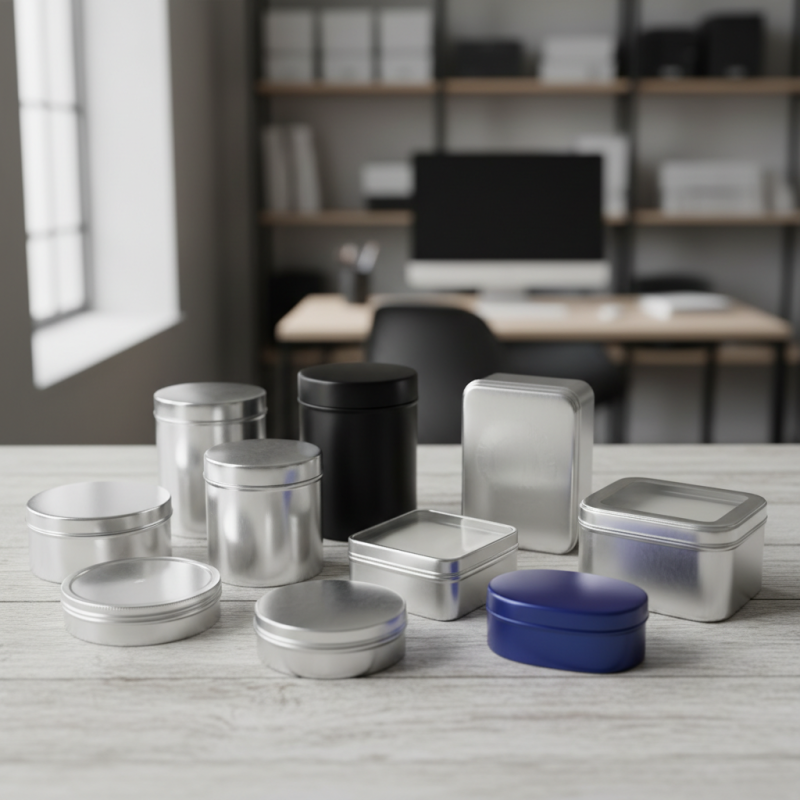
When selecting aluminum tins for your business, several critical factors come into play. The size and capacity of the tins are paramount. According to industry reports, 70% of businesses prefer standardized sizes for easier inventory management. Having multiple sizes can cater to varying client needs, increasing sales potential.
Durability is also crucial. High-quality aluminum tins resist corrosion and protect contents effectively. The market analysis indicates that 65% of consumers look for robust packaging that maintains product integrity. Moreover, consider the environmental impact. Today, 55% of consumers prefer recyclable packaging. Selecting eco-friendly tins can enhance your brand's image and appeal.
Don't overlook customization options. Many suppliers offer printing services for branding. However, keep your designs simple. Complexity can confuse consumers. Lastly, assess the sourcing qualities from suppliers. Transparency in sourcing materials builds trust. Many businesses face challenges with inconsistent quality from various suppliers. Prioritize reliability to ensure customer satisfaction.
Aluminum tins are increasingly favored by businesses for packaging solutions due to their unique properties. One critical advantage is their lightweight nature, which significantly reduces shipping costs. According to the Aluminum Association, using lighter packaging can decrease shipping emissions by up to 40%. This is vital in today’s eco-conscious market.
Another significant property is their versatility. Aluminum tins come in various sizes and shapes, making them suitable for diverse products, from cosmetics to food items. Their ability to be easily customized appeals to brand differentiation. A study by Packaging Strategies suggests that custom packaging can increase brand recognition by over 30%.
Furthermore, aluminum tins offer superior protection against moisture and light, which preserves product freshness. This is crucial in markets where product quality is paramount. However, one must acknowledge that while they are recyclable, improper disposal methods can lead to environmental concerns. Businesses need to educate their customers about recycling practices to maximize sustainability efforts.
Aluminum tins play a vital role in various industries. They are popular for their durability and versatility. The cosmetics industry often uses aluminum tins for packaging creams and balms. A report by Grand View Research reveals that the global cosmetics packaging market was valued at $21 billion in 2020. Aluminum's lightweight nature helps reduce shipping costs significantly, making it an attractive choice.
In the food and beverage sector, aluminum tins are favored for packaging. Their excellent barrier properties ensure freshness and prevent contamination. According to a study by the Aluminum Association, 75% of all aluminum ever produced is still in use today. This highlights aluminum's recyclability and sustainable aspects. However, businesses must be cautious about the selection process. Not all aluminum tins are suitable for every product. Ensuring compatibility with contents is essential to avoid unforeseen challenges.
Healthcare industries also utilize aluminum tins for ointments and other medical supplies. The ability to provide airtight seals helps maintain product integrity. However, there are concerns regarding the potential leaching of materials. This issue requires further scrutiny in the development phase. Companies need to invest in research to ensure safety and quality in their products. Balancing efficiency with safety should always remain a priority.
| Tin Type | Volume (ml) | Material Thickness (mm) | Finish Type | Common Uses |
|---|---|---|---|---|
| Round Aluminum Tin | 50 | 0.5 | Glossy | Cosmetics |
| Square Aluminum Tin | 100 | 0.6 | Matte | Candles |
| Rectangular Aluminum Tin | 250 | 0.8 | Anodized | Food Storage |
| Large Round Tin | 500 | 1.0 | Brushed | Baking Supplies |
| Mini Tin | 10 | 0.4 | Colored | Gifts |
| Glossy Tin Can | 250 | 0.7 | Glossy | Tea Storage |
| Decorative Tin | 200 | 0.5 | Embossed | Decorative Items |
| Pet Treat Tin | 300 | 0.6 | Printed | Pet Food |
| Artisan Tin | 150 | 0.5 | Natural Finish | Handcrafted Goods |
| Hair Care Tin | 100 | 0.5 | Matte | Hair Products |
When it comes to selecting aluminum tins for your business, understanding the differences is crucial. Different brands offer a range of sizes, finishes, and designs. Some tins are lightweight, while others provide more sturdiness. A lighter tin can be economical for shipping, but it may not always ensure product safety. On the other hand, a robust tin can add weight to your costs but enhances product protection.
The finish of aluminum tins also plays a significant role. Some brands have shiny, eye-catching surfaces that attract customers. Others use matte finishes that may appeal to a more sophisticated audience. Moreover, the seal integrity varies across brands. A reliable seal is essential for preserving the contents, yet not all manufacturers prioritize this feature. This inconsistency can lead to product spoilage or customer dissatisfaction.
It’s important to evaluate your business needs thoroughly. Analyze how the tin's capacity aligns with your product volume. Consider how design elements communicate your brand's message. It might take several iterations to find the best fit. Engaging with suppliers to understand their offerings can provide useful insights. Brands may boast about their products, but your experiences will shape what works best for your business.
Aluminum tins are gaining traction due to their sustainability. According to the Aluminum Association, recycling aluminum saves up to 95% of the energy required to create new aluminum. This significant energy saving highlights the environmental benefits of using aluminum tins in various industries.
Many businesses overlook the recycling potential of aluminum packaging. The National Recycling Coalition reports that approximately 75% of aluminum produced is still in use today. This longevity stems from aluminum's ability to be recycled endlessly without losing quality. Companies adopting aluminum tins contribute to a circular economy, enhancing their brand image while protecting the environment.
Tip: Consider sourcing aluminum tins from suppliers committed to sustainable practices. This will align your business with eco-friendly initiatives.
However, challenges remain. Not all aluminum products are recycled effectively. Businesses must educate themselves and their consumers about proper recycling techniques. This awareness can lead to greater recycling rates and a more sustainable future.
Tip: Invest in informative materials for customers, demonstrating how to recycle aluminum tins correctly. This small step can create a meaningful impact on recycling efforts.
This bar chart illustrates the recyclability percentage of the top 10 aluminum tins that are crucial for your business. As a sustainable packaging option, choosing aluminum tins with high recyclability can significantly contribute to your business's environmental goals and sustainability efforts.
: Key factors include size, durability, environmental impact, customization, and supplier sourcing.
Standardized sizes aid inventory management. Multiple sizes can cater to various client needs.
High-quality tins resist corrosion and maintain product integrity. Consumers favor robust packaging for product protection.
Many consumers prefer recyclable options. Eco-friendly tins can enhance a brand's image and market appeal.
Customized tins can boost brand recognition, but designs should be simple. Complexity may confuse consumers and dilute impact.
Reliable sourcing builds trust. Inconsistent quality from suppliers can lead to customer dissatisfaction.
Their lightweight nature reduces shipping costs and emissions, vital for eco-conscious businesses.
Yes, they offer superior protection against moisture and light, preserving freshness and quality.
Improper disposal of aluminum tins can lead to environmental issues. Education on recycling is essential for sustainability.
Yes, many struggle with quality consistency from different suppliers, affecting product reliability.
Aluminum tins are essential packaging solutions that businesses across various industries should consider for their products. When selecting aluminum tins, factors such as size, sealing capabilities, and design should be prioritized to enhance product appeal and functionality. The properties of aluminum, including its lightweight and corrosion-resistant nature, contribute to the effectiveness and attractiveness of the packaging.
Moreover, aluminum tins have found widespread use in sectors like food and beverage, cosmetics, and pharmaceuticals due to their ability to protect contents while providing an aesthetic presentation. Businesses should also consider the sustainability aspect of aluminum tins, as they are highly recyclable, reducing environmental impact and appealing to eco-conscious consumers. Thus, integrating aluminum tins into business practices can lead to enhanced product presentation and sustainability initiatives.

Sunrise Cans