When it comes to food storage, choosing the right packaging is essential. An Aluminum Food Can is a popular choice due to its durability and lightweight nature. However, not all aluminum cans are created equal. Factors such as size, seal quality, and material thickness can impact your food storage experience.
Understanding your specific needs is crucial. For example, do you need a large can for bulk storage or smaller ones for portion control? Each choice has its benefits and drawbacks. Poor selection may lead to issues like spoilage or compromised safety. Reflecting on these aspects can help you make a more informed decision.
Being aware of trusted brands and their manufacturing practices can enhance your confidence in the product. Look for certifications that speak to quality and safety. With all the options available, don’t rush your decision. Take the time to assess what an Aluminum Food Can can do for your food storage needs. It’s a step towards ensuring your food remains fresh and safe for consumption.
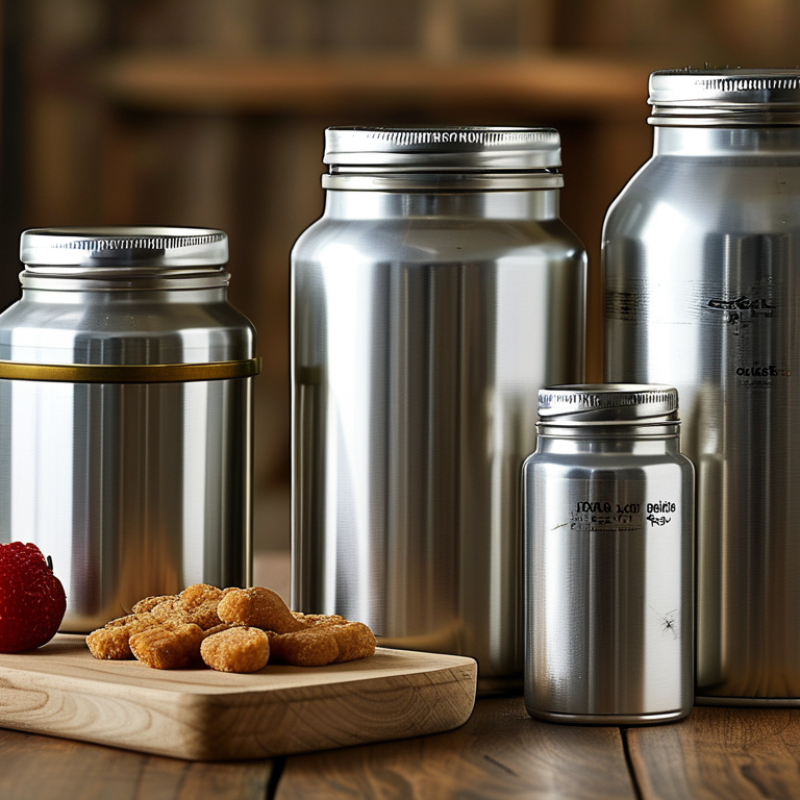
Aluminum food cans are widely used for packaging a variety of food items. Their popularity stems from benefits like durability, lightweight, and excellent barrier properties. A report by the Aluminum Association highlights that aluminum cans have a recycling rate of around 73%, making them an eco-friendly option. This sustainability aspect resonates with consumers increasingly concerned about environmental impact.
When choosing aluminum food cans, consider their types. Two common types are the standard can and the food-grade can. Food-grade cans are often lined with a coating to prevent reactions with certain foods. This lining protects both the product and the can's integrity. Ensure you understand which type suits your needs best based on the food you intend to package.
Tips: Always check the can's quality before purchasing. Look for any visible dents or rust. These imperfections can compromise the can's strength. Storage is also crucial. Keep cans in a cool, dry place to maintain their integrity over time. Lastly, evaluate the canning process. Proper sealing ensures food safety and extends shelf life. Carefully weigh these factors to make an informed decision.
When selecting aluminum food cans, consider the can size based on your needs. Smaller cans may be ideal for single servings or trial sizes, while larger ones suit bulk storage. Think about how much food you intend to store. This choice can greatly affect convenience and freshness.
Durability is another crucial factor. Look for cans with thicker walls and secure seals. A flimsy can may lead to leaks or preservation issues. You want to ensure your food remains safe and unspoiled during storage. Examine the can's design for ease of opening. Struggling with a can can be frustrating.
Finally, consider any special storage requirements you may have. Certain foods may need specific conditions to maintain quality. Reflect on your methods of food preservation and how cans fit into this. Choosing the right can requires thoughtful evaluation. Awareness of these details leads to better decision-making.
When evaluating size and capacity for your food storage needs, start with your actual usage. Determine how much food you typically store at one time. Consider your cooking habits and meal planning. A larger can may seem appealing, but be cautious. You don’t want excess space that can lead to spoilage.
Remember, the right size can prevent waste. If you often store leftovers, a mid-sized can often works best. It allows for versatile storage without overwhelming your space. For dry foods, such as grains and beans, think about your purchasing habits. A bulk purchase might necessitate larger capacity, while smaller, frequent buys work well with smaller cans.
Design matters too. Ensure the can fits neatly in your cabinets. Look for a design that allows easy stacking. It maximizes your space efficiently. Aim for lightweight materials that are also sturdy. They should withstand regular use without denting or bending. Balancing strength and weight is key to a reliable storage solution.
This chart illustrates the capacity of various aluminum food cans in liters to help you choose the best size for your food storage needs.
When selecting an aluminum food can, durability and safety are paramount. A sturdy can should resist dents and corrosion. Look for cans that have been tested for strength, especially if they will contain liquids. Weak cans may lead to leaks or contamination.
Ensure the can features a non-toxic lining. This lining prevents reactions between the food and aluminum. Avoid cans with any signs of wear or damage. A scratch on the surface may compromise safety. Integrity matters; always check the can's seal before purchasing.
Tip: Consider the weight of the can. Lighter cans may be easier to handle, but they might lack strength. A heavier can often signals higher quality. Evaluate where you plan to store them. Some climates may affect the longevity of the can’s integrity. Ultimately, investing time in assessing these features will ensure a safer choice for your food storage needs.
| Feature | Description | Importance | Rating (1-5) |
|---|---|---|---|
| Durability | Resistance to dents and leaks | High | 5 |
| Safety Features | BPA-free lining and non-toxic materials | Critical | 5 |
| Weight | Lightweight for easy handling | Medium | 4 |
| Recyclability | Ability to recycle after use | High | 5 |
| Cost-Effectiveness | Value for money over longevity | Medium | 4 |
Choosing the right aluminum food can involves considering its environmental impact. Aluminum is highly recyclable, making it a popular choice for food storage. However, the process of extraction and production can be energy-intensive. These factors should not be overlooked when making selections.
Recycling aluminum can significantly reduce waste. Interestingly, recycled aluminum requires 95% less energy compared to producing new aluminum from raw ore. It’s essential to ensure that your aluminum cans are properly recycled. Many communities offer convenient recycling programs, but participation is key. Some people still place aluminum in the general trash, leading to increased landfill waste.
Despite its benefits, aluminum production can pose environmental challenges. Bauxite mining, the primary source of aluminum, can disrupt ecosystems. It’s vital to reflect on these issues when choosing products that seem environmentally friendly. Opting for cans made from recycled aluminum can help minimize harm. Knowledge about recycling options empowers consumers to make informed decisions.
: Assess how much food you typically store. Smaller cans suit single servings; larger cans fit bulk needs.
Choose cans with thicker walls and secure seals. Thinner cans may leak and compromise food safety.
A well-designed can makes opening easy. Struggling with a can can be frustrating and inconvenient.
Pick the right can size to prevent excess space. Mid-sized cans work well for leftovers.
Reflect on both production and recycling. Aluminum extraction is energy-intensive, affecting the environment.
Recycling aluminum saves 95% energy compared to making new aluminum. Proper recycling reduces landfill waste.
Some foods need specific environments. Think about your preservation methods and can suitability.
Balance strength and weight. Lightweight yet sturdy materials are crucial for durable, reliable storage solutions.
Store dry foods in larger cans if buying in bulk. Smaller cans fit frequent purchases better.
Participate in local recycling programs. Many people mistakenly throw aluminum in the trash, increasing waste.
When selecting the best Aluminum Food Can for your needs, it's essential to understand the various benefits and types available. Aluminum food cans offer lightweight and corrosion-resistant qualities, making them ideal for storing a wide range of food items. Key factors to consider include size and capacity, ensuring the can meets your specific storage requirements. Additionally, assessing the durability and safety features of the aluminum cans is critical, as they must be able to withstand the rigors of transportation and storage without compromising food safety.
Moreover, it's important to explore the environmental impact of aluminum food cans and the recycling options available. Aluminum is highly recyclable, which can significantly reduce waste and conserve resources. By considering these factors, you can make an informed decision that aligns with your needs while also being environmentally responsible.

Sunrise Cans