Wholesale SD 500ml Suppliers, Factory

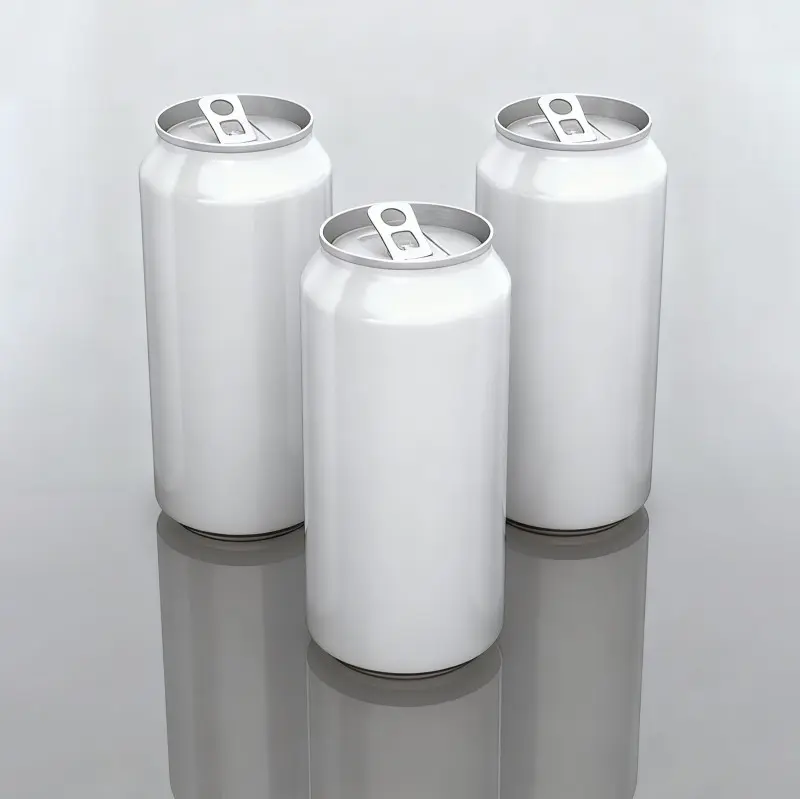
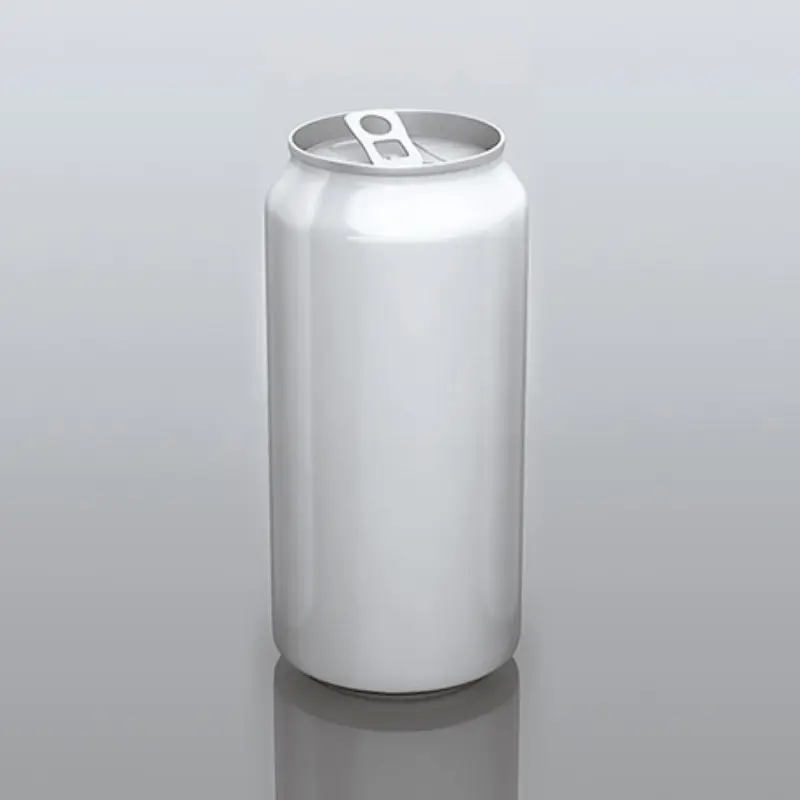
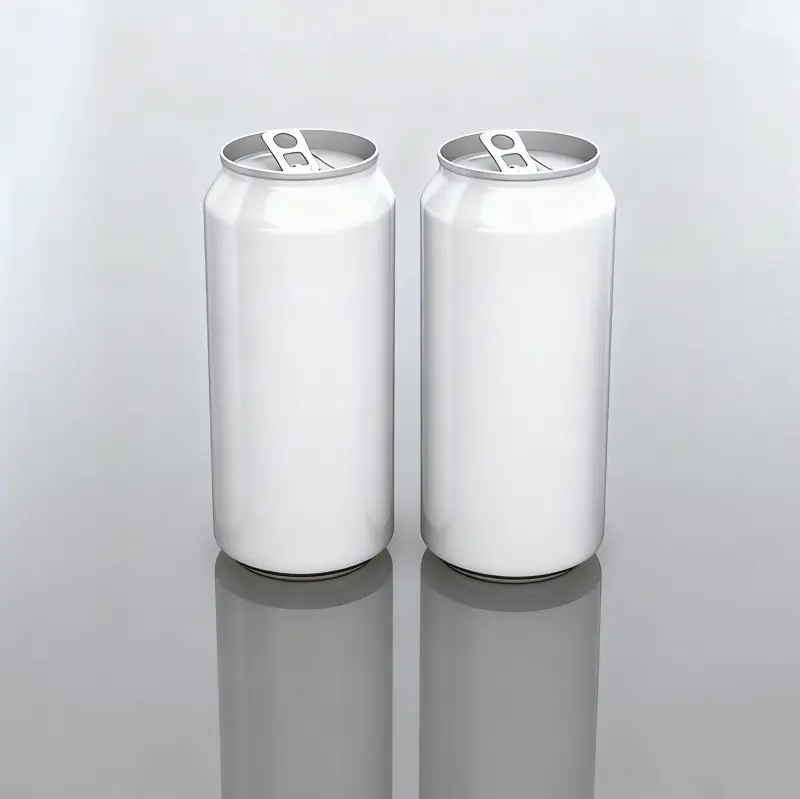
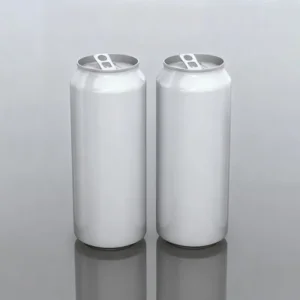
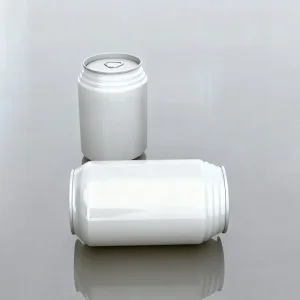
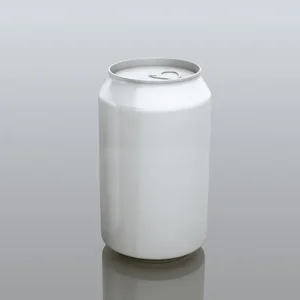
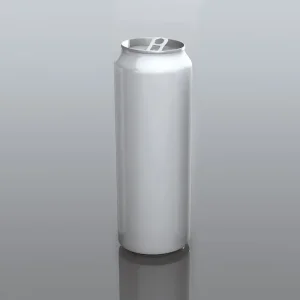
We developed and introduced it to the Chinese market in 2001 and exclusively supplied it to the national market before 2010. The product meets the requirements of packaging diversity. Besides having all the advantages of aluminum two-piece cans, the larger packaging size is especially favored and favored by beer enterprises. In recent years, it has also been highly favored by tea beverages and other beverage categories, becoming one of the mainstream packaging specifications in the market.

Product Description

What is a two-piece jar

The two-piece can, also known as the pressed can, is a metal container composed of a can lid and a seamless can body. Its main materials include aluminum, tin-plated plates and chrome-plated plates. It is widely used in the packaging of carbonated beverages and food.

Introduction to the two-piece deep drawing tank process

The deep drawing tank adopts the general and conventional deep drawing process. The thickness of the tank body obtained does not change significantly, and the thickness of the side wall and the bottom is basically the same. This kind of container is mainly used for filling canned food. According to the ratio of height to diameter of the deep drawing tank, it can be further classified into shallow deep drawing tanks and deep deep drawing tanks.

Introduction to the process of thinning and deepening two-piece cans

Thinning and deepening cupping, commonly known as flushing cupping. The thinned deep drawing tank is formed respectively by the conventional deep drawing process and the thinned deep drawing process. That is, one or two conventional deep drawing processes are adopted first, and then the thinned deep drawing process is used to form the container.
Frequently Asked Questions
What are the main materials of a two-piece jar?
The main materials include aluminum, tin-plated plates, and chrome-plated plates.
What products are two-piece cans usually used for?
They are widely used for the packaging of carbonated beverages and various food products.
Does the thickness of a deep drawing tank change during processing?
No, the thickness of the side wall and the bottom remains basically the same without significant changes.
How are deep drawing tanks classified?
They are classified into shallow deep drawing tanks and deep deep drawing tanks based on the ratio of height to diameter.
What is flushing cupping?
Flushing cupping is the common name for the thinning and deepening process used to form specific two-piece containers.
How is the thinned deep drawing process executed?
It typically involves using one or two conventional deep drawing processes first, followed by a thinned deep drawing process.

Related Products