The Development of Three-Piece Cans
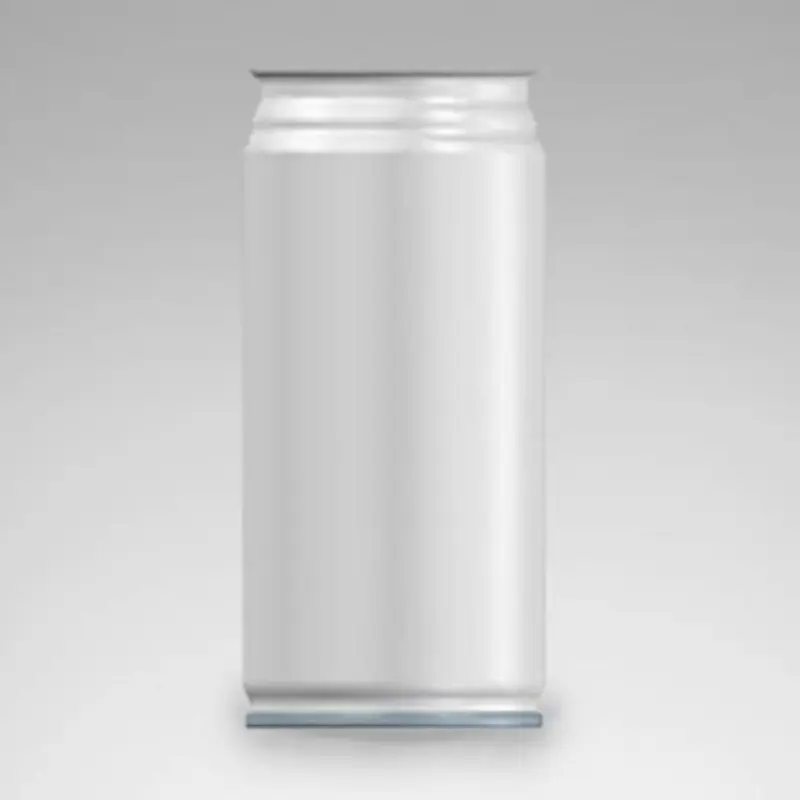
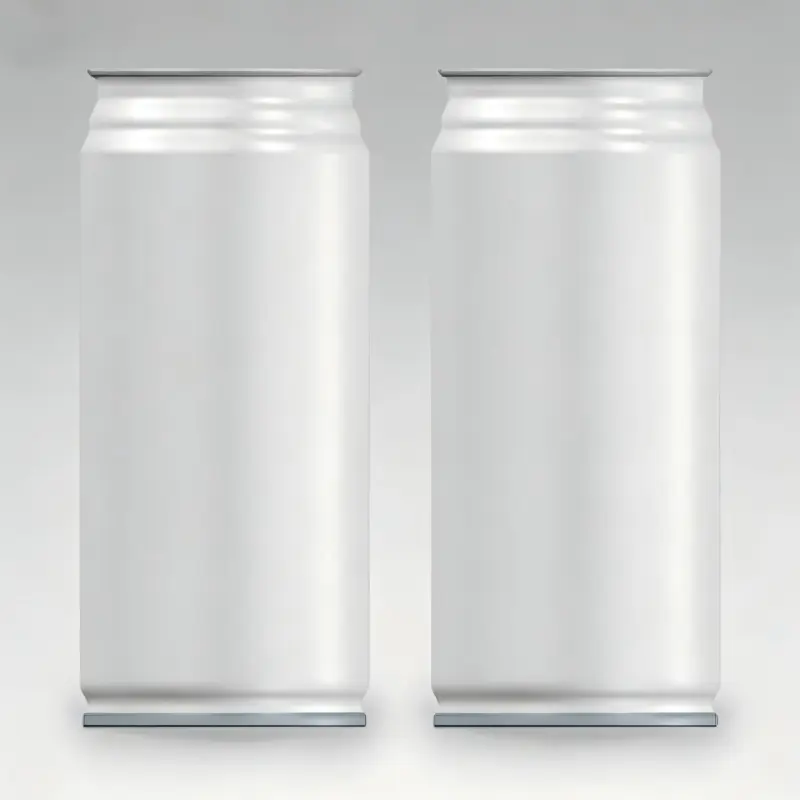
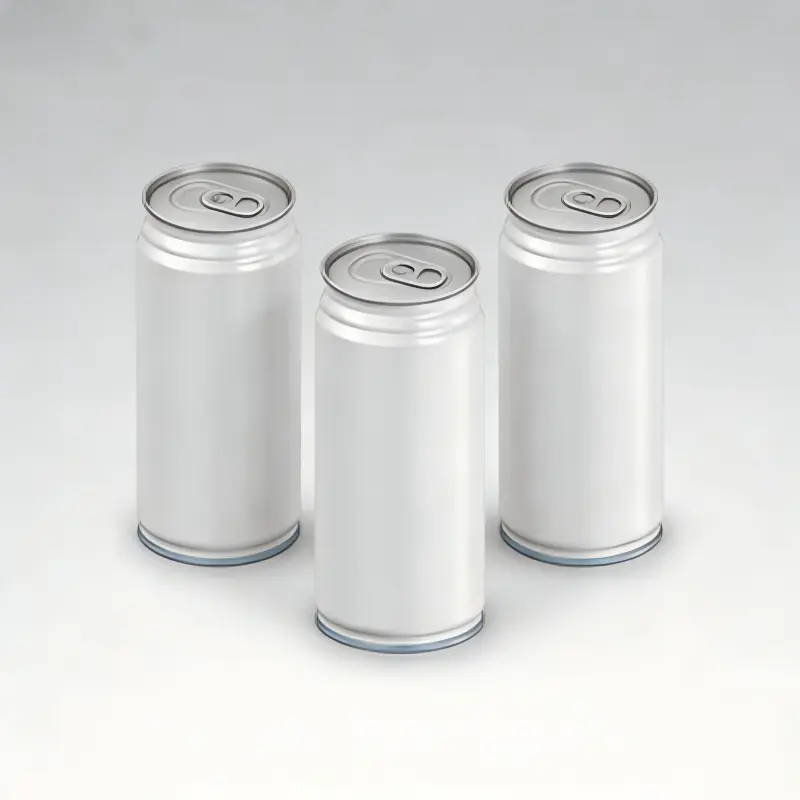
The application history of three-piece cans has been nearly 200 years. Despite multiple improvements, they are essentially made of three metal sheets (mostly tinplate) - the can body, can bottom, and can lid, hence the name "three-piece can". The shape, size, and manufacturing method of the bottom and lid of a standard three-piece can are identical, and they are collectively referred to as the lid.
✓
Evolution of Sealing: From traditional tin soldering to modern resistance welding.
✓
Environmental Safety: Modern processes eliminate lead pollution found in older soldering methods.
✓
Efficiency: Fusion welding reduces energy consumption and material waste.
Initially, all three-piece cans were tin soldered. However, due to lead concerns and outdated technology, this process has been replaced by the resistance welding process. Newer edge seam technologies include:
Driven by industrial upgrading, the industry is accelerating towards intelligence and high-end development, empowered by digitalization, smart manufacturing, and supply chain optimization.
The Structure of a Three-Piece Can
The production of three-piece cans involves a precise engineering process to ensure durability and safety. Key components and processes include:
▶
Manufacturing: Specialized fabrication of can bodies and matching lids.
▶
Sealing Tech: Longitudinal seams processed via high-frequency resistance welding, crimping, or bonding.
▶
Quality Control: Comprehensive inspection of empty cans to ensure structural integrity.
Frequently Asked Questions
What components make up a three-piece can?
A three-piece can consists of three distinct metal components: the can body, the can bottom, and the can lid. They are typically made from tinplate metal sheets.
Why is tin soldering no longer used for can seams?
Tin soldering is largely obsolete due to the presence of lead in the solder, high labor intensity, and the environmental impact of the construction process.
What are the advantages of fusion/resistance welding?
Fusion welding avoids lead pollution, has lower energy requirements, and consumes less material compared to traditional soldering methods.
What modern welding technologies are currently used?
Key modern technologies include high-frequency resistance welding, laser welding of iron sheets, and advanced adhesive bonding techniques.
How is the quality of empty cans ensured?
Quality is maintained through rigorous inspection of the longitudinal seams, bonding strength, and automated testing of the empty can structure before filling.
How is the three-piece can industry evolving?
The industry is moving toward "Intelligence" and "High-end" development through digitalization, smart manufacturing, and the application of new materials.
 Sunrise Cans