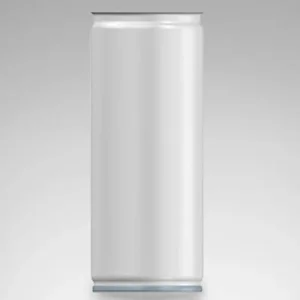
China Three-Piece Can 250g Manufacturers, Factory

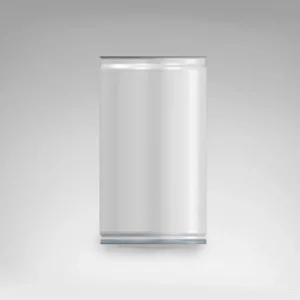
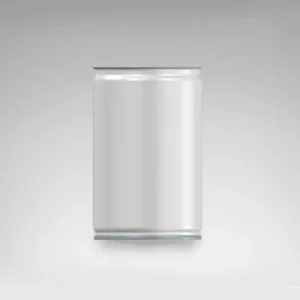
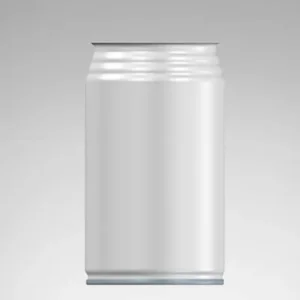
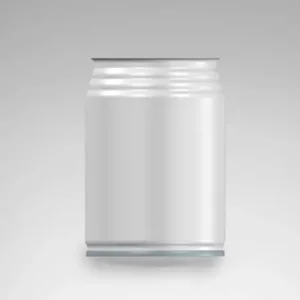
This product is made of materials that meet national food safety standards, mainly consisting of the can body, aluminum easy-open end, and bottom end. It has good airtightness and light-blocking properties. The contents of the eight-treasure congee can are mainly plant-based materials such as cereals, beans, and dried fruits. After filling and sterilization, the product meets commercial sterility requirements and has a shelf life of up to 24 months.

Product Description

The History of Three-piece Can

Since its emergence in the early 19th century, the three-piece can has been the primary packaging container in the food can industry. Initially, it was made through manual tin soldering. However, with technological advancements, resistance welding gradually replaced tin soldering as the primary method for manufacturing three-piece food cans.

Introduction to the Materials

The main materials include tin-plated steel sheets (tinplate) and chromium-plated steel sheets. Tinplate, characterized by its corrosion resistance, ease of welding, and good sealing performance, is commonly used for three-piece cans; while chromium-plated steel sheets are mostly used for packaging of products with less corrosivity.

Classifications of Three-piece Cans

Based on their shapes, they can be categorized into round cans and irregular-shaped cans; based on their sealing conditions, they can be divided into airtight containers and non-airtight containers; based on the form of the can wall seams, they can be classified into hooked, bonded, soldered, and welded types; and based on the opening methods, they can be classified into cut-open, rolled-open, pulled-open, and other types.

Characteristics of Three-piece Can

It possesses characteristics of environmental protection, safety, and recyclability, with relatively simple manufacturing technology and low equipment requirements. It exhibits high compressive strength and corrosion resistance, along with good processing performance. It can be fabricated into containers of various shapes, meeting the requirements of industrial production. However, compared to two-piece cans, it has disadvantages such as seams, poor airtightness and malleability, and heavier weight.
Frequently Asked Questions

What is a three-piece can?
A three-piece can is a packaging container consisting of three distinct parts: the can body, the bottom lid, and the top lid. It has been a staple in the food packaging industry since the 19th century.
What are the primary materials used for these cans?
The most common materials are tinplate (tin-plated steel) for its excellent corrosion resistance and chromium-plated steel sheets for less corrosive products.
How are three-piece cans classified by shape?
They are generally categorized into standard round cans and irregular-shaped cans to meet different branding and volume requirements.
What is the modern manufacturing method for the seams?
While manual soldering was used historically, modern production primarily utilizes resistance welding for better durability and safety.
What are the main advantages of three-piece cans?
They offer high compressive strength, are highly recyclable, and the manufacturing process is relatively simple with lower equipment costs compared to other methods.
How do they differ from two-piece cans?
Unlike two-piece cans, three-piece cans have a side seam and separate top/bottom lids, which can result in slightly heavier weight and different airtightness characteristics.

Related Products