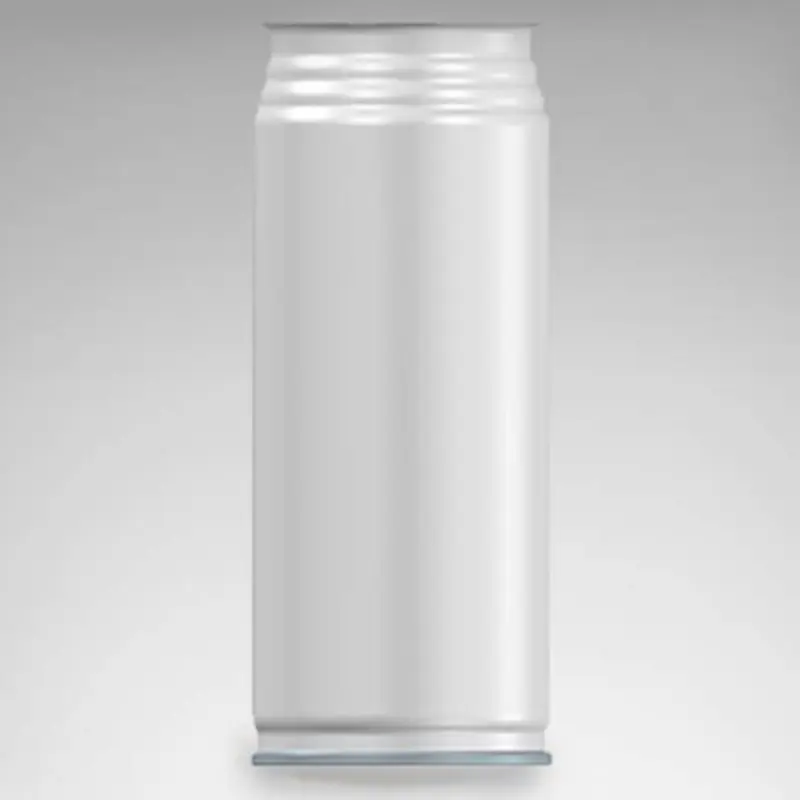
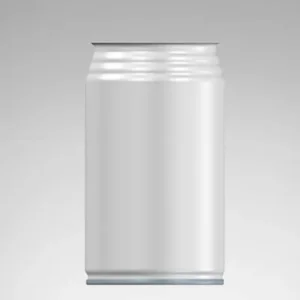
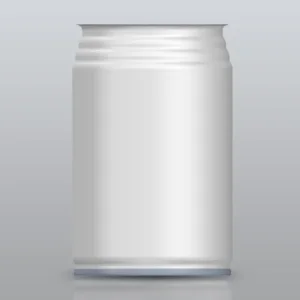
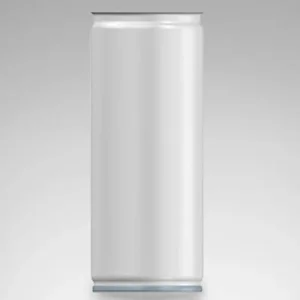
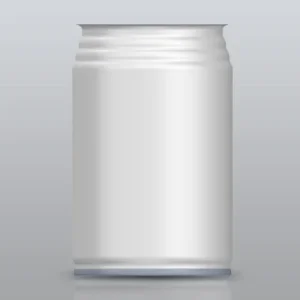
Production process of three-piece can
⚙️Can body production process
First, cut the metal sheet (tinplate, aluminum sheet, etc.) into can body blanks of specified size, and then roll the blanks into a cylindrical shape using machinery.
Key process - Seam treatment: The mainstream methods are welding and bonding. Welding processes (such as resistance welding) require precise control of current and pressure to avoid solder skips or over-welding; bonding processes, on the other hand, involve evenly applying specialized adhesives and controlling the drying temperature and time to ensure seam strength and sealing.
Finally, the can body undergoes necking and flanging to prepare for the subsequent roll sealing with the can lid and bottom. Simultaneously, the inner wall coating is cured and the outer wall is printed. These two steps constitute standardized surface treatment processes.
🛠️Can lid/can bottom production + assembly and molding process
The production of can lids and can bottoms follows separate processes: metal sheets undergo punching, stretching, and creasing (for easy-to-open lids, additional scoring and tab installation are required) to produce lids and bottoms of uniform specifications. This part of the process is highly standardized and highly automated.
Finally, the can body, can bottom, and can lid are individually crimped and sealed by a crimping device to form a complete three-piece can. Precise control of the thickness and tightness of the crimping is required during the process to prevent leakage, which is also a crucial step affecting the quality of the finished product.
Is the production process of three-piece cans complicated?
✔ Overall, the process flow of three-piece cans is long but not complicated, making it suitable for large-scale production. It also allows for flexible adjustment of can specifications, which is why it is widely used in the packaging of condiments, chemicals, and specialty foods.
Frequently Asked Questions
What defines a three-piece can?
A three-piece can consists of three distinct components: the can body, the top lid, and the bottom end, which are joined together through welding and crimping processes.
What materials are typically used for three-piece cans?
The most common materials are tinplate (tin-coated steel) and aluminum sheets, chosen for their durability and protective properties.
Why is seam treatment so important in production?
The seam treatment, whether through welding or bonding, ensures the structural integrity and airtight seal of the can, which is vital for preventing leakage and contamination.
Are three-piece cans suitable for custom sizes?
Yes, one of the main advantages of three-piece cans is the flexibility to adjust specifications, height, and diameter to meet specific packaging needs.
What industries benefit most from three-piece can packaging?
They are widely used in the food industry for condiments and specialty items, as well as in the chemical industry due to their robust construction.
How is leakage prevented during assembly?
Leakage is prevented through high-precision crimping devices that control the thickness and tightness of the seals between the body and the ends.
 Sunrise Cans