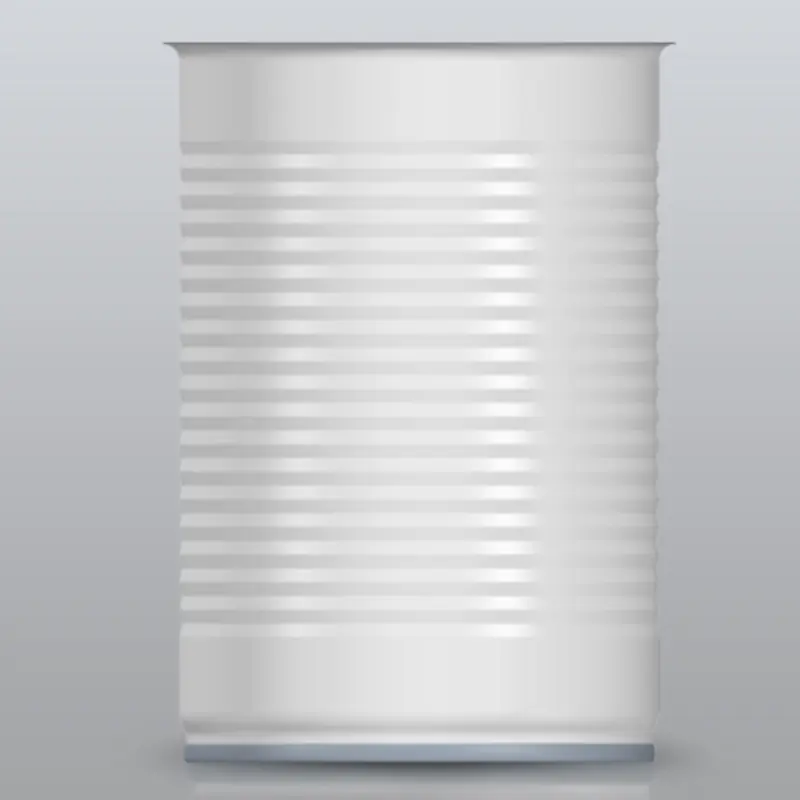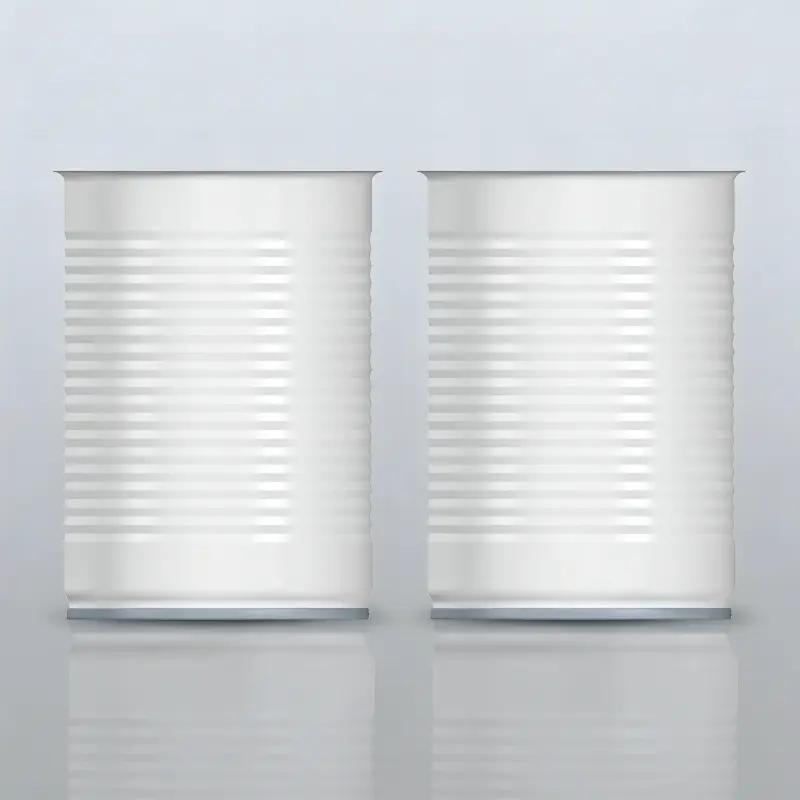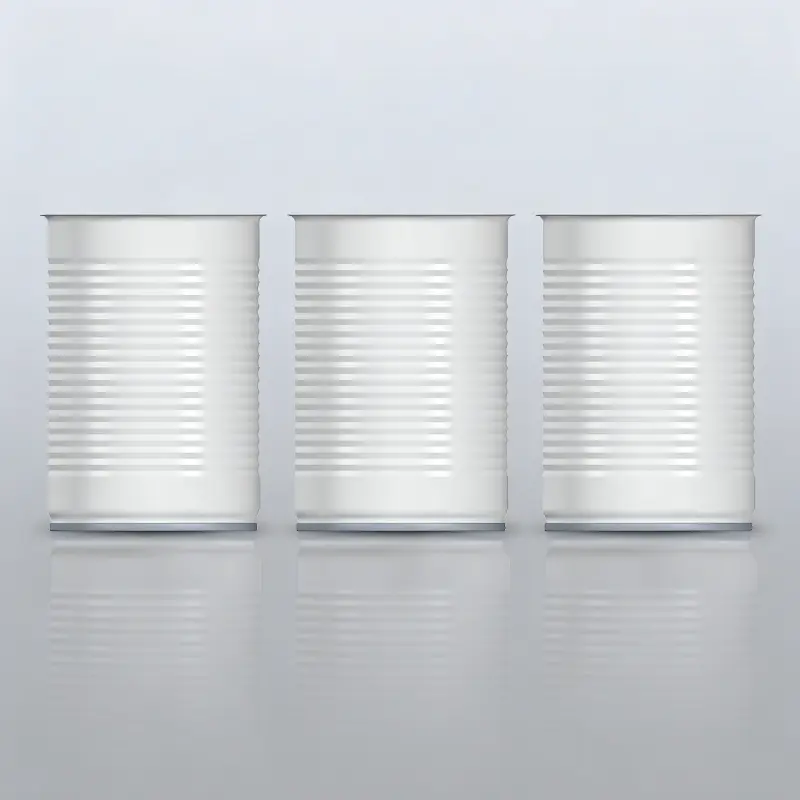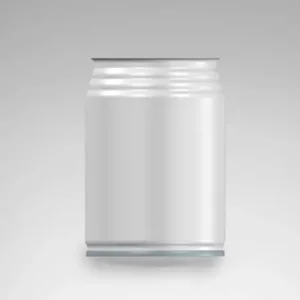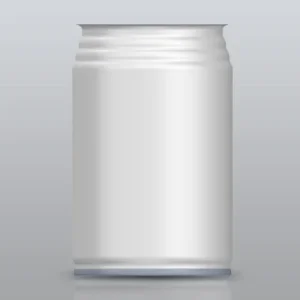
China 425g Three-Piece Can with Reinforcing Ribs - Durable Design Supplier, Factories

This product is mainly used to contain canned sardine. The product is made of materials that meet the national food safety standards and coatings that match the characteristics of sardine cans. After canning and sterilization, the product meets commercial aseptic requirements and has a shelf life of over three years.

Product Description

?

What is the Three-Piece Can Reinforcement Rib?

A three-piece can is a metal packaging container (commonly found in food cans, beverage cans, etc.) that is welded/rolled from three metal plates: the can body, the can lid, and the can bottom. Strengthening ribs are concave and convex patterns (circular, corrugated, etc.) pressed on the can body plate, which is a structural reinforcement design.

Advantages of Reinforcing Ribs

Improved Structural Strength Significantly improve the strength of the tank body, making it less prone to collapse or deformation. Pressure resistance, drop resistance, and compression resistance make transportation and stacking more stable.
Cost Efficiency Thinner sheets can be used to reduce raw material costs. By strengthening the structure, there is no need to thicken the iron sheet, saving materials and money.
Thermal Resistance High temperature resistance and sterilization, no bulging or deformation of the can. When canned food is steamed at high temperatures, it can resist the pressure difference between inside and outside.
Rigidity & Texture Improve the rigidity of the tank body and give it a firmer feel. The tank body is not soft or collapsed, with better texture and higher grade.
Enhanced Sealing The sealing and can body are more stable, reducing the risk of leakage.
Production Efficiency Convenient for automated production and palletizing. The tank body is more organized, and the assembly line, packing, and stacking are smoother.
!

Drawbacks of Reinforcing Ribs

Printing & Appearance: Affects appearance, poor printing quality. There are circles of protrusions, and the patterns and text will be broken by the ribs, making it difficult to do large-scale exquisite printing.
Hygiene Concerns: Difficulty in cleaning increases, making it easier to store dirt. Grooves and protrusions are prone to material accumulation, water accumulation, and dirt accumulation.
Investment Costs: Mold and equipment costs are higher. Specialized rolling machines and molds are required, increasing equipment investment and maintenance costs.
Output Speed: Production speed slows down. An additional rolling process will result in a decrease in production line speed and slightly lower output.
Precision Control: Difficulty in controlling dimensional accuracy. After rolling the ribs, the diameter and roundness may change, potentially causing issues during automatic filling or sealing.
Coating Integrity: The coating is easily scratched. Metal stretching during rolling may cause thinning or cracking of the inner wall coating, risking corrosion.
Q

Frequently Asked Questions

1. Why are reinforcement ribs necessary for food cans? They provide essential structural integrity, allowing the can to withstand internal and external pressure changes during high-temperature sterilization without deforming.
2. Can reinforcement ribs help reduce the price of the final product? Yes, by adding structural strength through the rib design, manufacturers can use thinner metal sheets, which reduces raw material costs significantly.
3. Do ribs affect the quality of the branding on the can? Generally, yes. The uneven surface created by the ribs can break up text and complex graphics, making them less suitable for high-end, premium aesthetic packaging.
4. Why don't we see ribs on all types of cans? Beverage cans or cans where high-quality printing and a smooth hand-feel are prioritized often omit ribs. The extra manufacturing step and equipment cost also play a role.
5. Are there any risks to the safety of the food inside? If the rolling process is not controlled, the inner protective coating could crack. However, in standard quality-controlled production, this risk is minimized to ensure food safety.
6. Do reinforcement ribs impact the sterilization process? They actually assist the process by ensuring the can remains stable and sealed while under the stress of steam and pressure differences.

Related Products