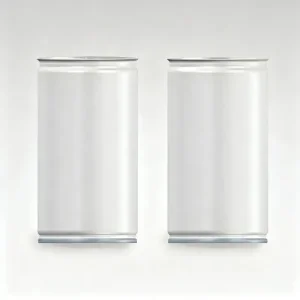
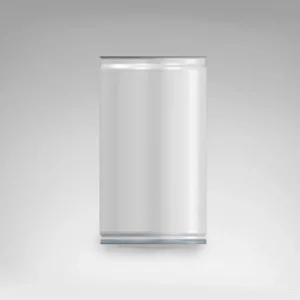
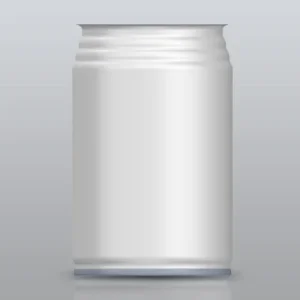
China Three-piece can 240ml (special-shaped can) Supplier, Suppliers

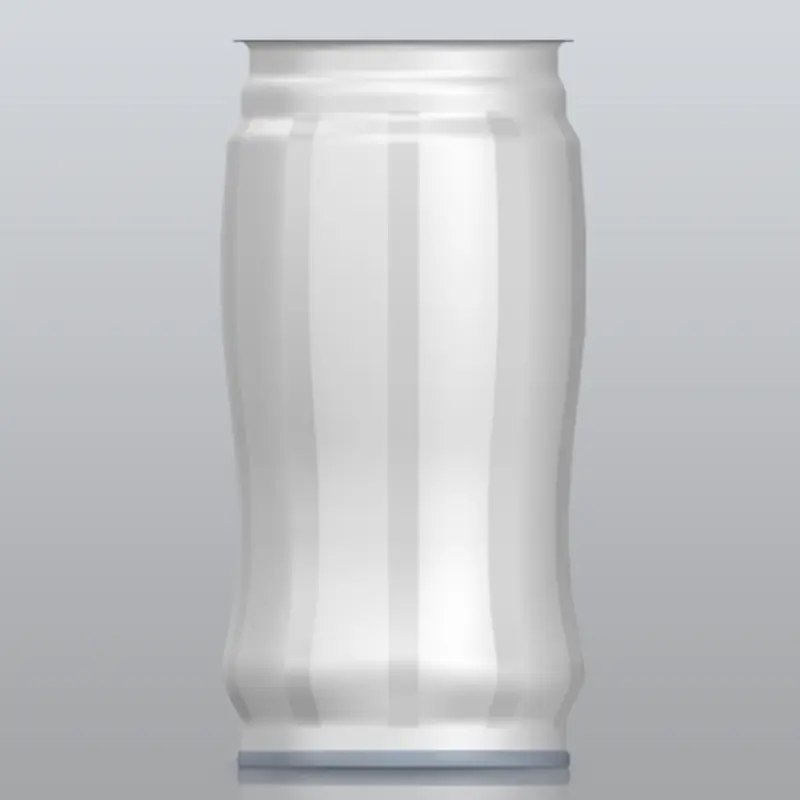
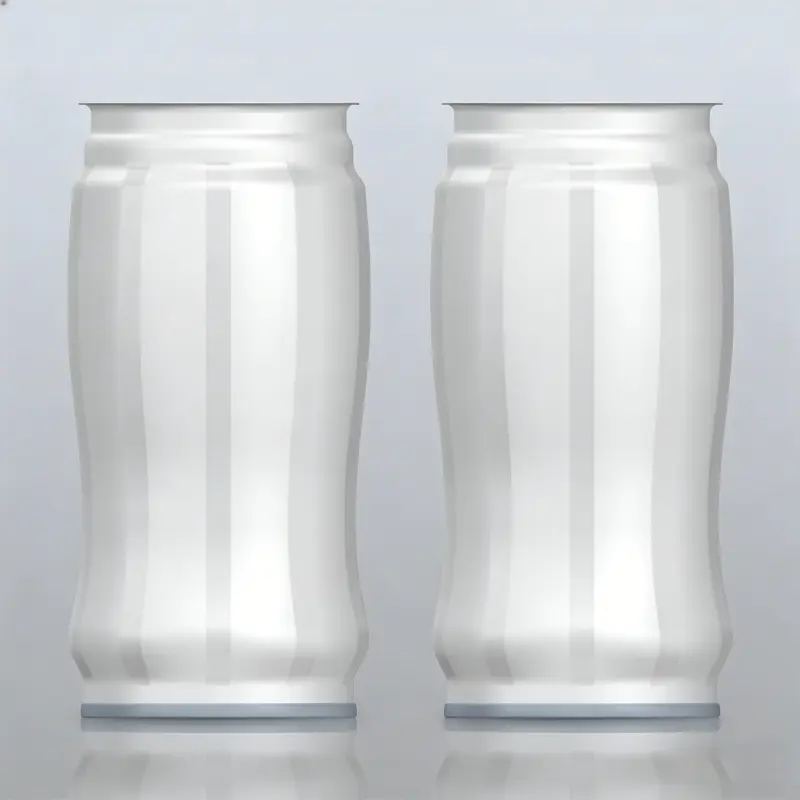
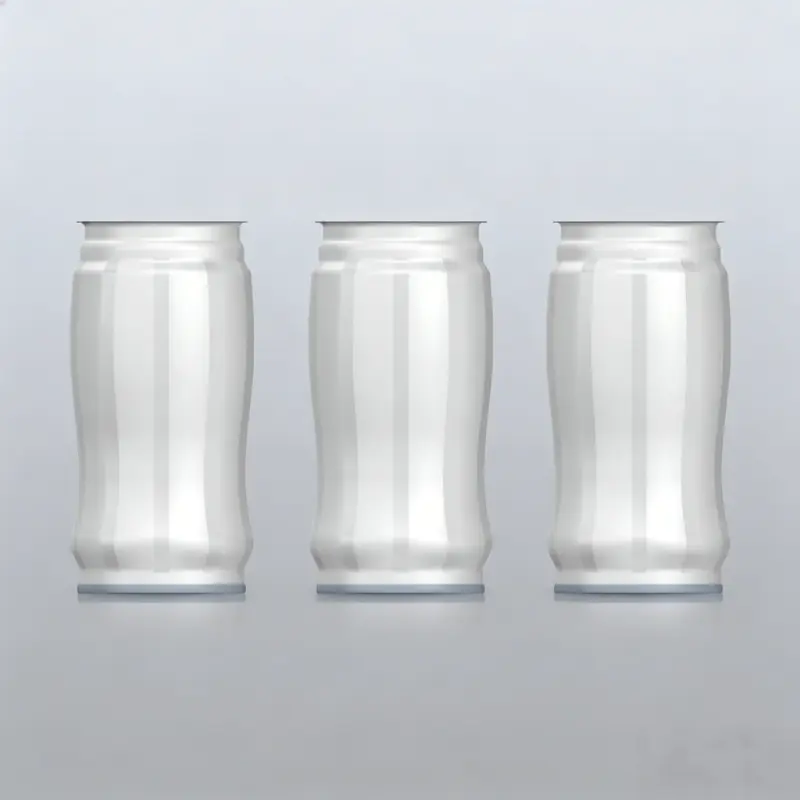
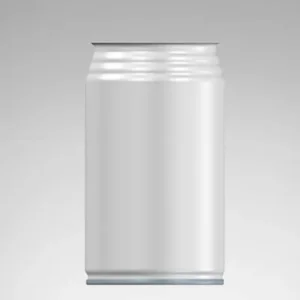
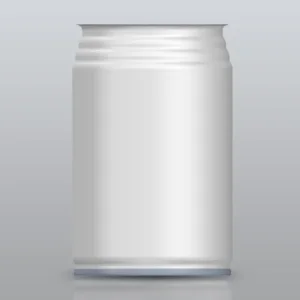
The can body of this product is streamlined, which, compared to traditional cylindrical cans, possesses a greater aesthetic appeal and is more likely to attract visual attention on the same shelf, thereby stimulating consumers' desire to purchase. The middle and lower parts of the product feature an inward concave section, making it less likely to slip when held by consumers. The product is primarily used for packaging protein drinks, herbal tea drinks, fruit juice drinks, etc.

Product Description

Advantages of Three-piece Cans

Flexible Material
The can body can be made of tinplate (tin-coated steel sheet), chromium-plated steel sheet (TFS), or aluminum sheet, allowing for flexible selection based on acidity, oiliness, and corrosivity.
Diverse Specifications
Formed through welding or bonding, enabling different heights and diameters, including round, square, and irregular shapes to meet diverse packaging needs.
High Marketing Value
Smooth surfaces allow for high-precision color printing with clear patterns, highlighting brand image and enhancing shelf appeal.
Excellent Sealing
Ensures stable performance and effectively isolating air and moisture. Coupled with sterilization, shelf life can reach 1-3 years.
High Strength
Resistant to compression and impact, reducing deformation during stacking and transportation. Empty cans can be nested to save space.
Recyclable
Metallic materials (iron, aluminum) have high recovery rates, aligning with global environmental protection trends.

Disadvantages of Three-piece Cans

Higher Production Costs
Requires separate production of the body, lid, and bottom, followed by welding and crimping, leading to higher equipment and labor costs.
Risk of Weld Defects
Improper treatment of weld seams may lead to coating damage, solder skips, or corrosion and leakage.
Relatively Heavy
Heavier than two-piece cans or plastic bottles, which increases transportation costs for portable products.
Chemical Limitations
Not resistant to long-term corrosion by strong acids and alkalis, which may cause coating peeling.
Recycling Complexity
Sorting costs are high when different materials like iron and aluminum are mixed during recycling.

Frequently Asked Questions

What materials are typically used for three-piece cans?
Three-piece cans are primarily manufactured using tinplate (tin-coated steel), chromium-plated steel (TFS), or aluminum sheets, depending on the product's acidity and cost requirements.
How long is the shelf life for products in three-piece cans?
Due to their excellent sealing and sterilization compatibility, food stored in these cans can typically achieve a shelf life of 1 to 3 years at room temperature.
Are three-piece cans environmentally friendly?
Yes, they are highly recyclable. Both iron and aluminum components can be recovered and processed repeatedly, which supports sustainable packaging trends.
What is the difference between two-piece and three-piece cans?
Three-piece cans consist of a body, a bottom, and a lid joined by welding or crimping, allowing for more diverse shapes and sizes compared to integrally formed two-piece cans.
Can three-piece cans be used for chemical products?
Yes, their high strength and adaptable specifications make them suitable for everything from food condiments to chemical raw materials, provided the internal coating is compatible.
Is there a risk of leakage with these cans?
While welding and crimping are highly secure, weld defects can occur if not treated properly. Modern manufacturing uses specialized equipment to ensure stable, airtight sealing.

Related Products