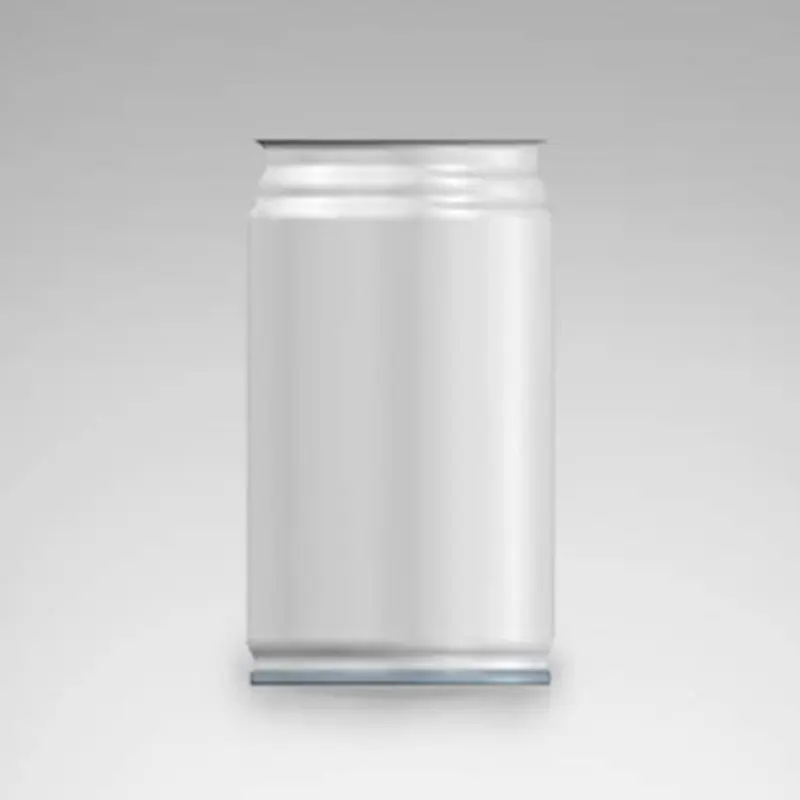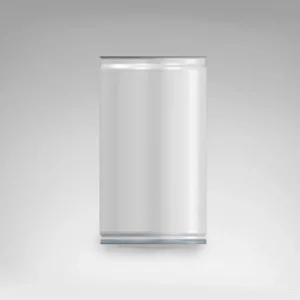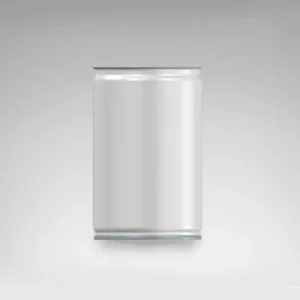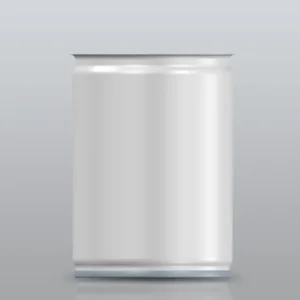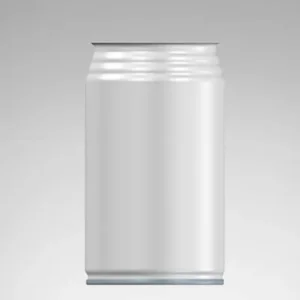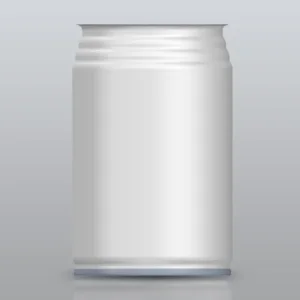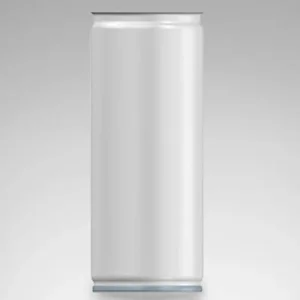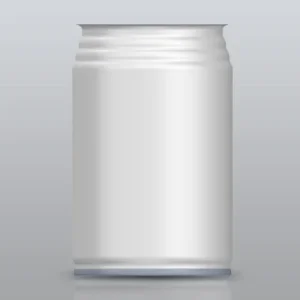
China three-piece can 145ml Manufacturers, Supplier

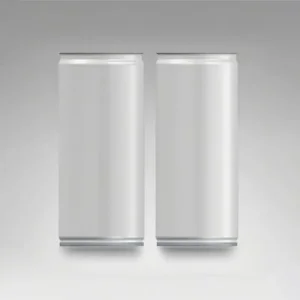
This product is made of materials that meet national food safety standards, mainly consisting of the can body, aluminum easy-open end, and bottom end. It has good airtightness and light-blocking properties. After being filled and sterilized, the product meets commercial sterility requirements and has a shelf life of over 18 months.

Product Description

!

What is a three-piece can

The three-piece can, also known as the tinplate three-piece can, is a can-type packaging container made from tin-plated steel sheet, chromium-plated steel sheet, or aluminum alloy and other metal sheets through crimping, bonding, or resistance welding. It consists of three parts: the can body, the can bottom, and the can lid. Its application history dates back to the 19th century, and it is widely used for the sealed packaging of food, beverages, chemical products, and aerosol products.

Three-piece can classification

  • According to tank type: necked-down tank, vertical cylindrical tank.
  • According to structure: easy-to-open sealed cans and bottom-sealed cans.
  • According to the contents: beverage cans, food cans.

Production process flow

Can body manufacturing: plate cutting - feeding - bending into a circle - lap joint positioning - resistance welding - touch-up painting - drying - turning over - rib pressing - necking (for beverage cans)

Can lid manufacturing: oiling - plate cutting and blanking - lid stamping - edge rounding - glue injection - drying and curing

Final Assembly: The can body and lid are rolled and sealed for quality inspection.
?

Frequently Asked Questions

What are the three main components of a three-piece can?
As the name suggests, a three-piece can consists of three distinct parts: the can body, the can bottom, and the can lid, which are joined together during the manufacturing process.
What materials are commonly used to manufacture these cans?
They are primarily made from metal sheets such as tin-plated steel (tinplate), chromium-plated steel, or various aluminum alloys.
What is the difference between necked-down and vertical cylindrical tanks?
This classification refers to the tank type or shape. Vertical cylindrical tanks maintain a straight profile, while necked-down tanks have a tapered top section, often seen in specific beverage packaging.
How is the can body held together?
The can body is formed by bending a metal plate into a circle and securing the joint through resistance welding, crimping, or bonding techniques.
In which industries are three-piece cans most popular?
They are widely utilized in the food and beverage industry for preserved goods, as well as in the chemical industry and for aerosol product packaging.
Does the production process include quality control?
Yes, the final stage of the production process involves rolling and sealing the components followed by a rigorous quality inspection to ensure the container is airtight and durable.

Related Products