Home >
Three-Piece Can >
China Three-Piece 968ml Jar Set for Kitchen Storage and Organization Suppliers, Factories
1 / 3
China Three-Piece 968ml Jar Set for Kitchen Storage and Organization Suppliers, Factories
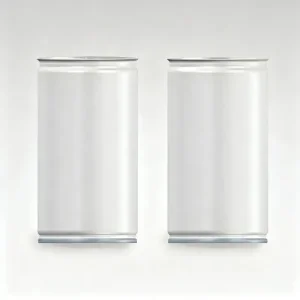
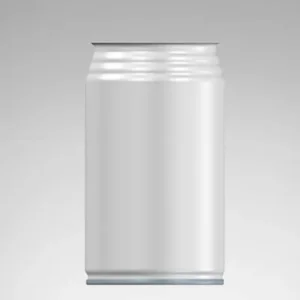
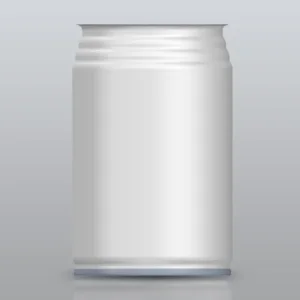
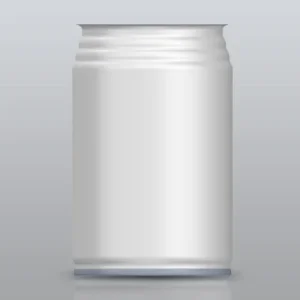
This product is suitable for holding beer beverages. Has good airtightness and light shielding properties. After being filled and sterilized, the product meets commercial aseptic requirements and has a shelf life of over 18 months.
A three piece can is a metal packaging container made of three independent metal sheets (mainly tinplate, also known as tin plated steel sheet) consisting of a can body, a can bottom, and a can lid, which are welded/bonded and sealed using a rolling process.
⚙️
Can body: After being rolled round from a metal plate, longitudinal seams are formed through high-frequency resistance welding/laser welding.
🔒
Can bottom + Can lid: Sealed with double rolled edges (5 layers of interlocking + sealant) to the can body, and the structure and size are usually consistent.
📦
Typical applications: Canned meat/fruit, coffee, milk powder, seasonings, chemicals, etc.
What are the advantages of a three piece can
💪
Strong structural rigidity: The tank has high strength, resistance to compression and impact, suitable for long-distance transportation and stacking, and low damage rate.
🛠️
Mature technology: The canning technology has a long history, standardized processes, and production line investment and maintenance costs are lower than two piece cans.
📐
Flexible in size and shape: Can be used as round, square, oval and other shaped cans, with adjustable capacity specifications, suitable for multiple categories of packaging.
🔥
High temperature resistance: The tinplate material can withstand high temperature steaming/pasteurization, making it suitable for foods that require a long shelf life.
🛡️
Good barrier properties: Metal + roll sealed structure, strong barrier to oxygen, light, and moisture, extending shelf life.
♻️
Environmentally friendly: Tinplate/steel can be 100% recycled and reused, in line with the trend of green packaging.
What are the drawbacks of a three piece can
⚠️
Longitudinal welds: The seam of the can body is a structural and sealing risk point, and strict leak prevention testing is required.
⚖️
Large material usage: Three piece splicing and edge rolling result in more consumables, heavier weight, and higher logistics costs compared to two piece cans.
💨
Airtightness limitations: Weld seam + double sealing, overall air tightness is slightly inferior; it is difficult to achieve significant lightweighting like aluminum two-piece cans.
⏳
Production efficiency: Including multiple processes such as cutting, rounding, welding, patching, and sealing, the speed is lower than the high-speed line for two piece cans.
🚫
Weak pressure adaptability: The welding seam has limited pressure bearing capacity and is rarely used for high internal pressure carbonated beverage and beer packaging.
Frequently Asked Questions
What materials are typically used for three-piece cans?
They are primarily made of tinplate, which is a thin steel sheet coated with tin to prevent corrosion and provide structural strength.
Why are three-piece cans popular for food storage?
They offer excellent barrier properties against light and oxygen and can withstand high-temperature sterilization, ensuring a long shelf life for food products.
Are three-piece cans available in different shapes?
Yes, one of their main advantages is flexibility. They can be manufactured in various shapes, including round, square, and oval.
How are the components of a three-piece can joined together?
The can body is welded longitudinally, while the top and bottom are attached using a double-rolling sealing process.
Can three-piece cans be recycled?
Yes, they are 100% recyclable. Metal materials like tinplate and steel are highly sustainable and can be reused indefinitely.
 Sunrise Cans