 Sunrise Cans
1 / 3
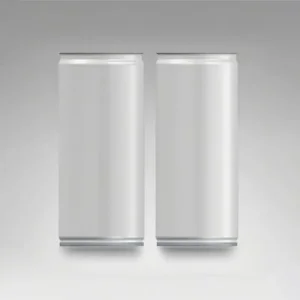
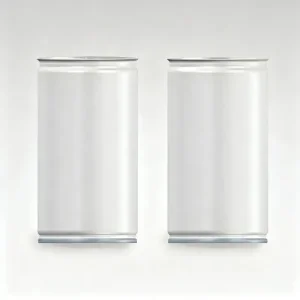
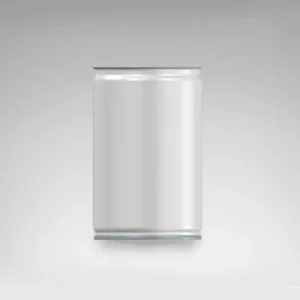
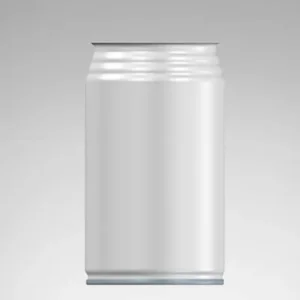
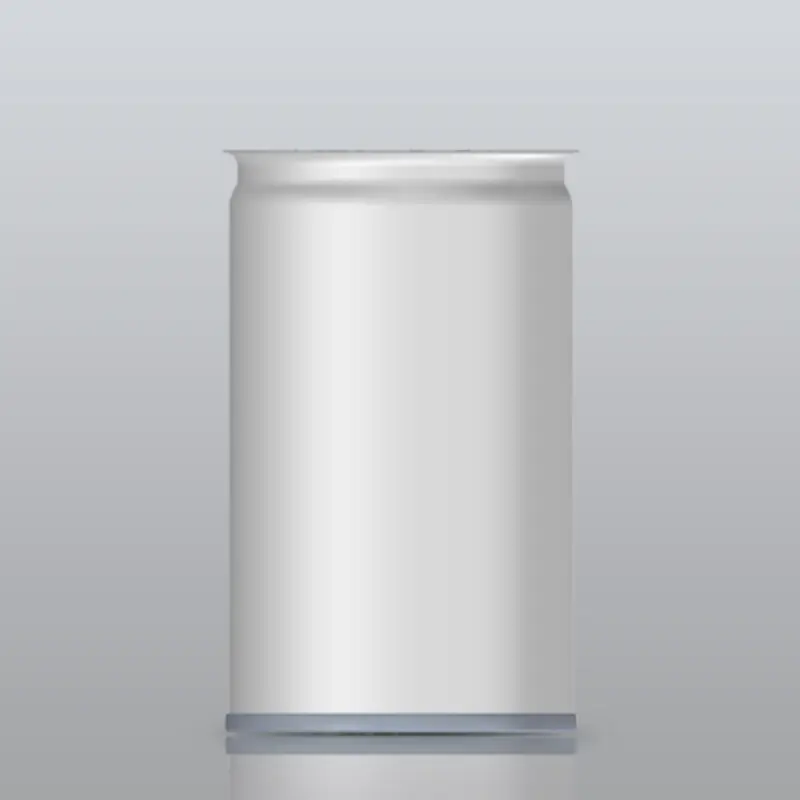
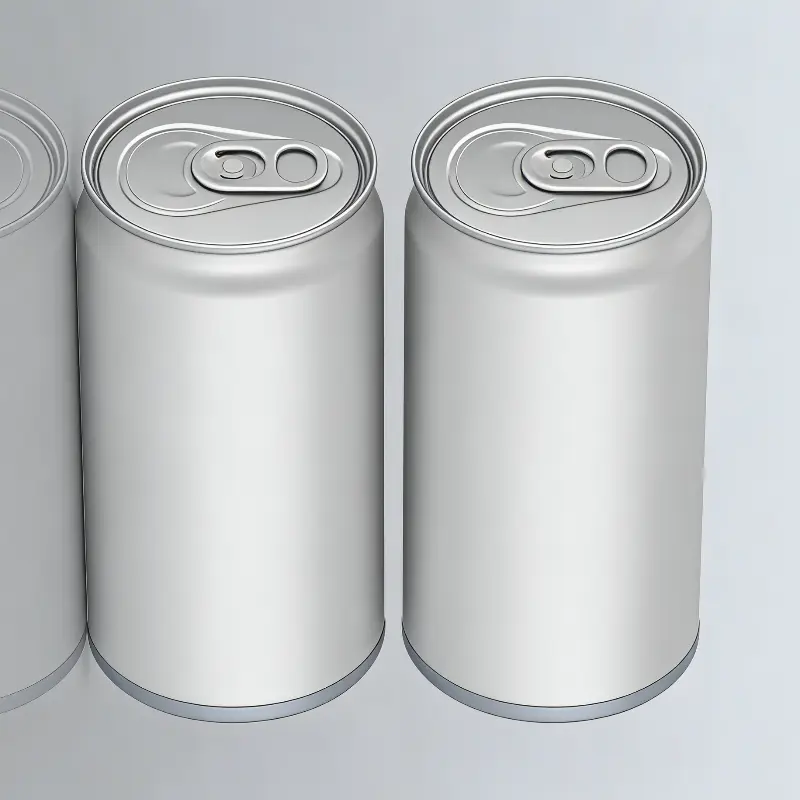
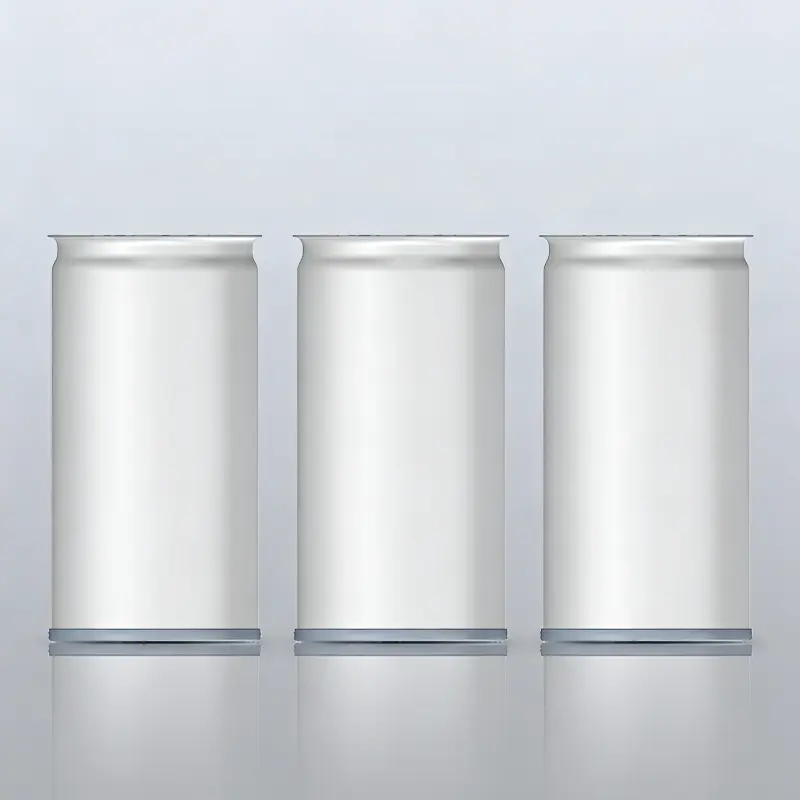
The can body can be greatly enhanced in rigidity by rolling reinforcement ribs (circular/corrugated ribs), which can withstand pressure changes during transportation stacking and high-temperature sterilization, and are not easily dented or swollen. The three piece sealing structure has excellent sealing performance and can effectively block oxygen, light, and moisture, extending the shelf life of the contents.
Different metal materials such as tinplate, chrome plated iron, aluminum, etc. can be used to match more cost-effective solutions according to product needs. The can body plate can be designed with thinning, combined with reinforcing ribs to ensure strength, effectively saving raw material costs.
The standardization level of processes such as welding and sealing of the tank body is high, suitable for large-scale automated production, and the production capacity is stable. Strong compatibility with equipment and raw materials, low debugging costs when changing specifications and products.
It is resistant to high temperature and pressure, and can be used for high-temperature sterilization food (such as canned food, Babao Congee), as well as for containing carbonated drinks, chemical liquids, etc. The shape and size of the can body have high design freedom.
The flat area of the can body is large, suitable for printing exquisite patterns and brand information, with good visual display effect. Metal materials can be 100% recycled and reused, in line with environmental trends.
It is assembled from three parts and requires more processes such as cutting, welding, and sealing. The production line is longer, and the unit time production capacity is usually not as good as that of two piece cans.
A longitudinal weld seam can affect the aesthetics and printing designs. Corrosion resistance at the weld is slightly lower, requiring additional coating for acidic contents.
Compared to two-piece cans, the utilization rate of the sheet is slightly lower, and the sealing structure requires more material overlap, resulting in a slightly higher overall weight.
The can body is mainly cylindrical, making it difficult to achieve complex irregular structures compared to the stretching molding of two-piece cans.
Improper process control at the sealing point can lead to deterioration. Thermal expansion differences between the body and weld during sterilization may cause stress.