The global canned luncheon meat market is currently undergoing a significant transformation. Once viewed primarily as a convenient emergency food, it has evolved into a multi-billion dollar gourmet and staple industry. As leading China Luncheon Meat Canned Manufacturers, we observe that the demand for high-protein, shelf-stable meat products is surging across North America, Southeast Asia, and Europe.
Despite economic fluctuations, the metal-packaged food sector remains stable due to its long shelf life and logistical efficiency.
Tinplate and aluminum cans are 100% recyclable, aligning with global initiatives for a circular economy.
Modern canned food production is no longer just about sealing food; it's about Smart Tech Integration. From AI-driven quality inspection to IoT-tracked supply chains, the industry is moving toward "Industy 4.0". We utilize high-speed Swiss Soudronic welders and German coating systems to ensure every can is a masterpiece of engineering.
Years Experience
Global Facilities
Production Lines
Stock Code
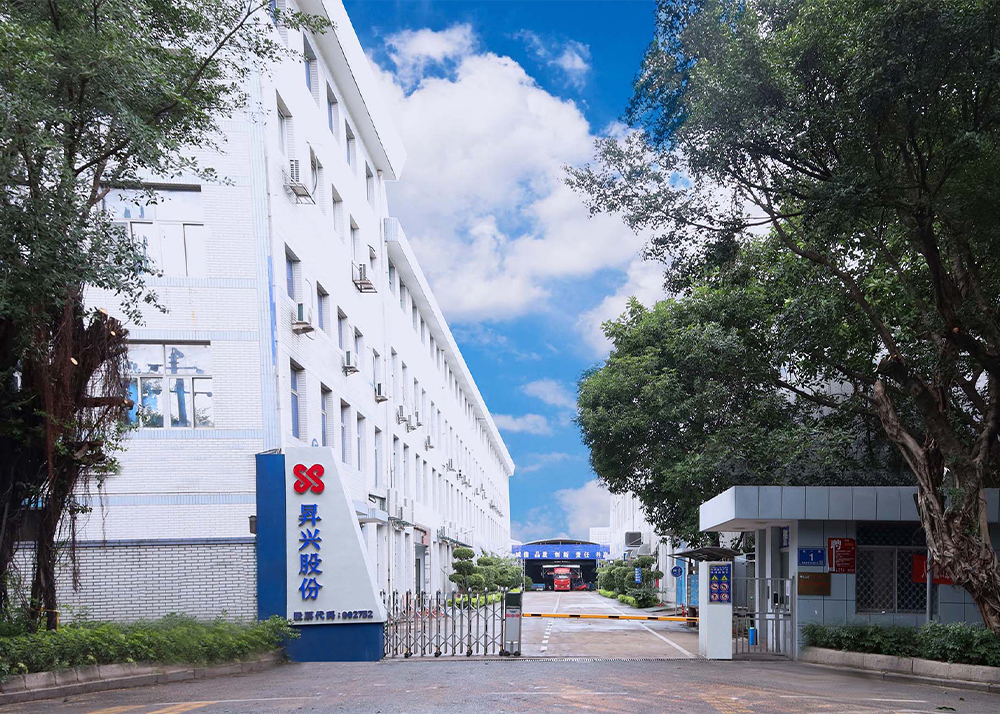
Sunrise Group Co., Ltd., founded in 1992, is headquartered in the Fuzhou Economic and Technological Development Zone. It is a diversified, publicly listed company (Stock Code: 002752) with a strong, long-standing presence in the metal packaging industry. The Group combines various functions, including metal packaging manufacturing, beverage filling, collaborative marketing services, equipment research and development, supply chain management, and industrial services, thereby creating a comprehensive and competitive value chain.
With over 33 years of continuous development, Sunrise Group has established a solid market position in the metal packaging sector. The company operates 31 manufacturing facilities across 28 cities in China and Southeast Asia, including Cambodia, Indonesia, and Vietnam. These facilities produce three-piece tinplate cans, two-piece aluminum cans, aluminum bottles as well as provision of beverage filling services, catering to a wide range of customer needs throughout the region.

Why do global enterprises choose Chinese suppliers? It's about scale, precision, and customization. Whether it's the premium pork luncheon meat demand in Hong Kong or the Halal-certified poultry cans in Southeast Asia, our manufacturing processes adapt to local regulations and taste profiles.
Our cans feature internal BPA-free coatings that prevent corrosion, ensuring food safety for up to 3 years.
Supporting high-volume OEM/ODM projects with rapid prototyping and custom lithography printing.

The company boasts nearly a hundred production lines, incorporating the essence of global intelligent machinery and equipment. We have introduced equipment manufactured by globally renowned suppliers such as Soudronic from Switzerland, KAMPF and Hinterkopf from Germany, Crabtree from the United Kingdom, Fuji from Japan, and STOLLE and BELVAC from the United States.

The company has successfully passed the certifications of ISO9001 Quality Management System, ISO22000/FSSC22000 Food Safety Management System, ISO14001 Environmental Management System, and OHSAS18001/ISO45001 Occupational Health and Safety Management System.

The equipment and apparatus in the laboratory fully comply with the requirements of the GB 4806.10-2016 National Food Safety Standard for the detection of total migration, heavy metals, and potassium permanganate consumption.
The quality of the company's products is excellent, not only meeting the stringent standards of China, the United States, and the European Union but also satisfying the high standards required by well-known domestic and international brand customers.
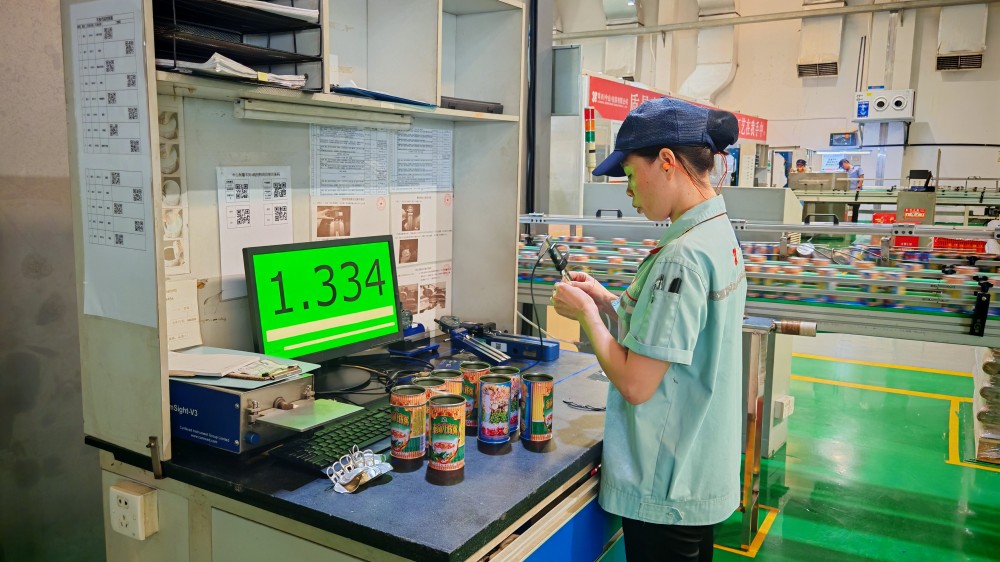
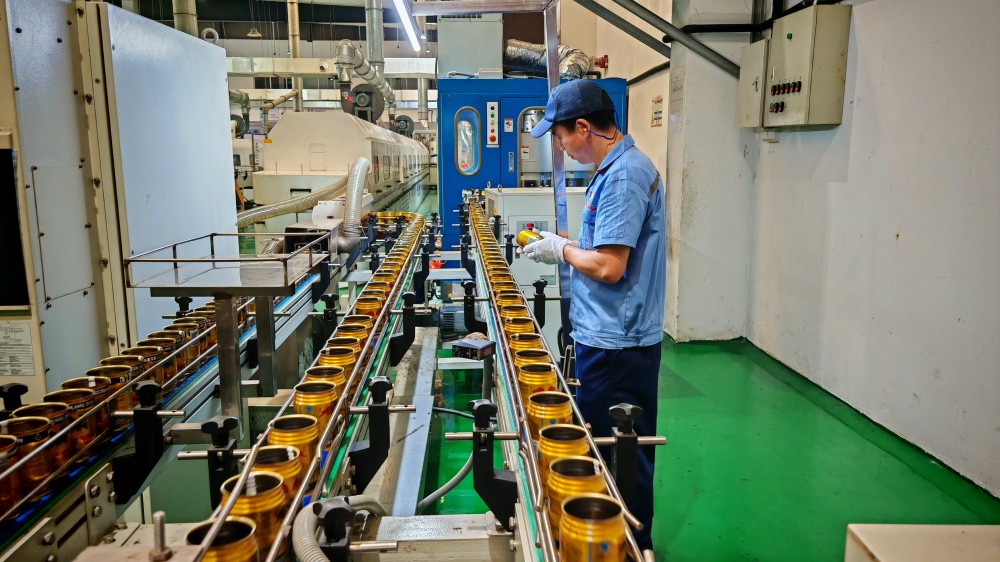
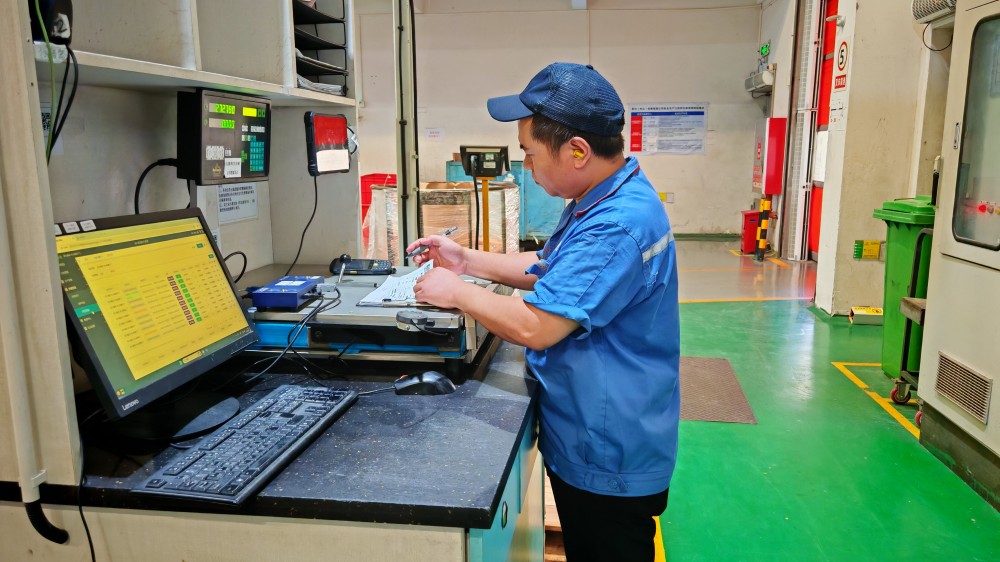
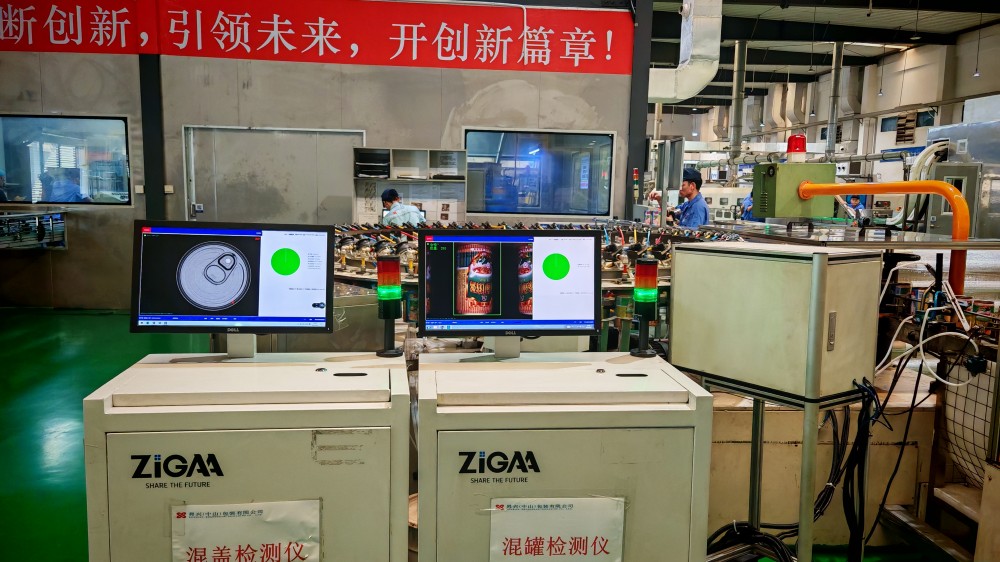
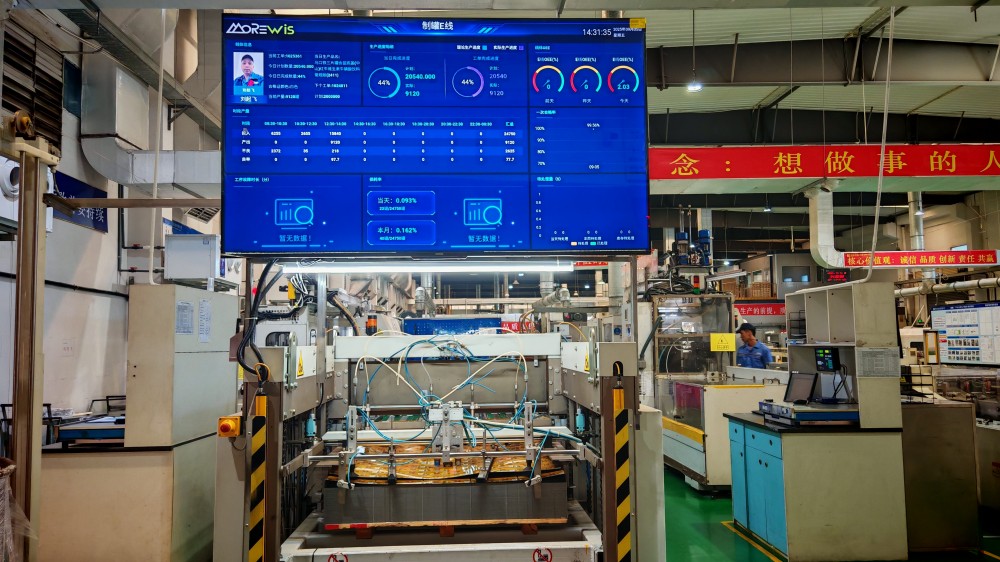
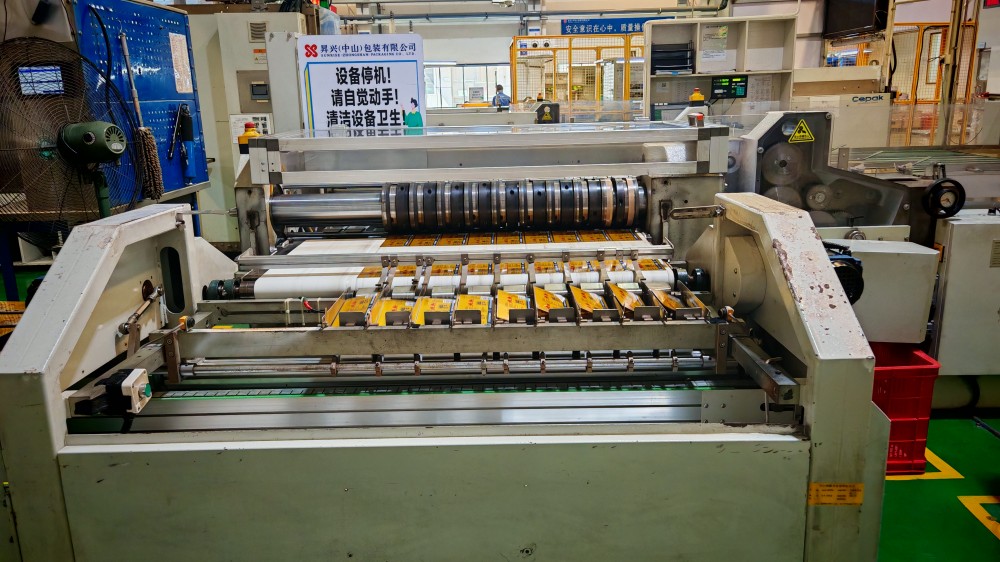
Our operation flowchart ensures every employee follows digital processes to maintain consistency. From the initial tinplate coating to final palletizing, every step is recorded in our ERP system, allowing for full product traceability—a critical requirement for global Luncheon Meat Canned Suppliers.
Sunrise is committed to integrating the concept of sustainable development with the company's strategy and core values, pursuing new quality productivity, and contributing to high-quality economic and social development. Utilizing next-generation information technologies such as "Artificial Intelligence, Big Data, Cloud Computing, and the Internet of Things."
 Sunrise Cans