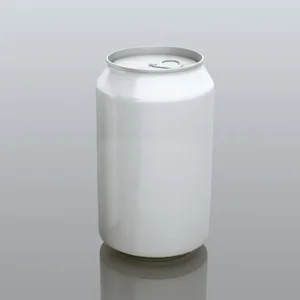
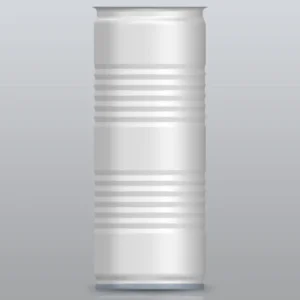
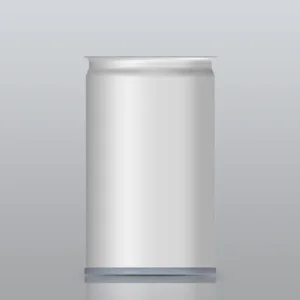
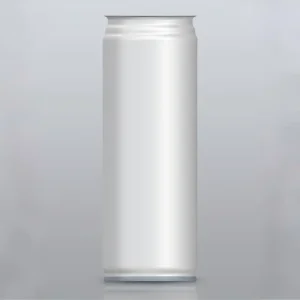
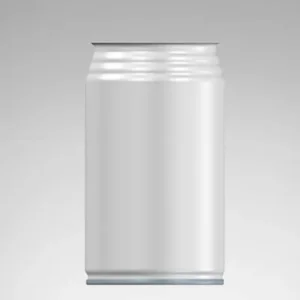
High-quality tinplate packaging solutions for diverse industrial and commercial applications.
The global tinplate cans market has witnessed a massive resurgence in the last decade, driven by a global shift toward sustainable, infinitely recyclable packaging materials. As "plastic-free" initiatives gain momentum in Europe, North America, and Southeast Asia, tinplate has emerged as the premier choice for brands seeking a balance between durability, product safety, and environmental responsibility. In 2024, the market is not just about containment; it's about the circular economy. Tinplate is a 100% recyclable material that can be reused without loss of quality, making it a cornerstone of the global ESG (Environmental, Social, and Governance) movement.
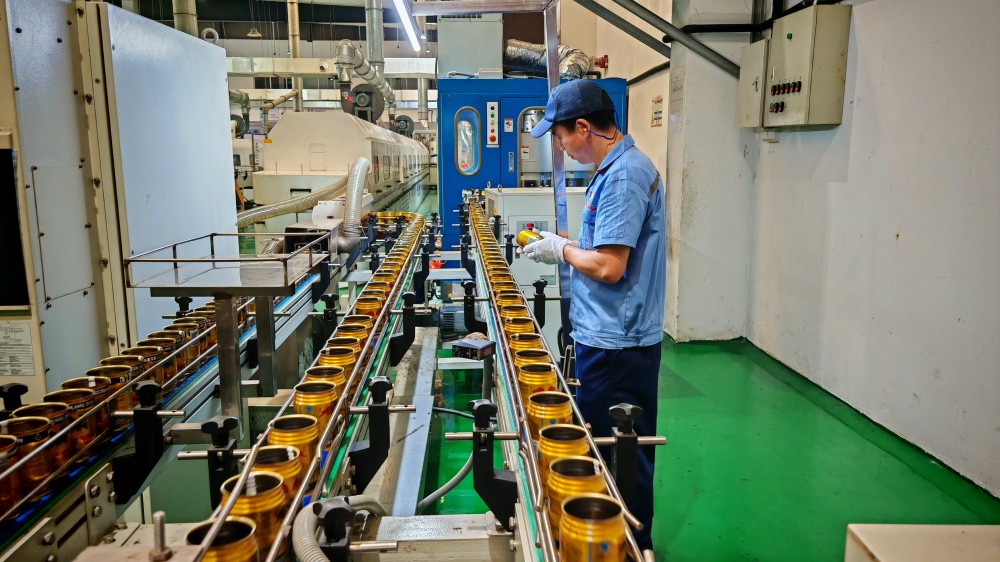
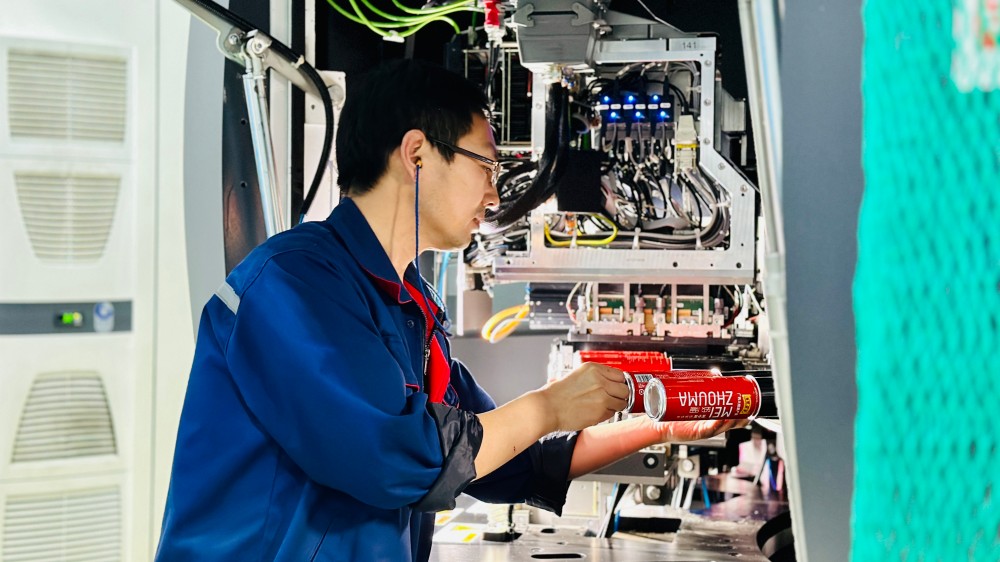
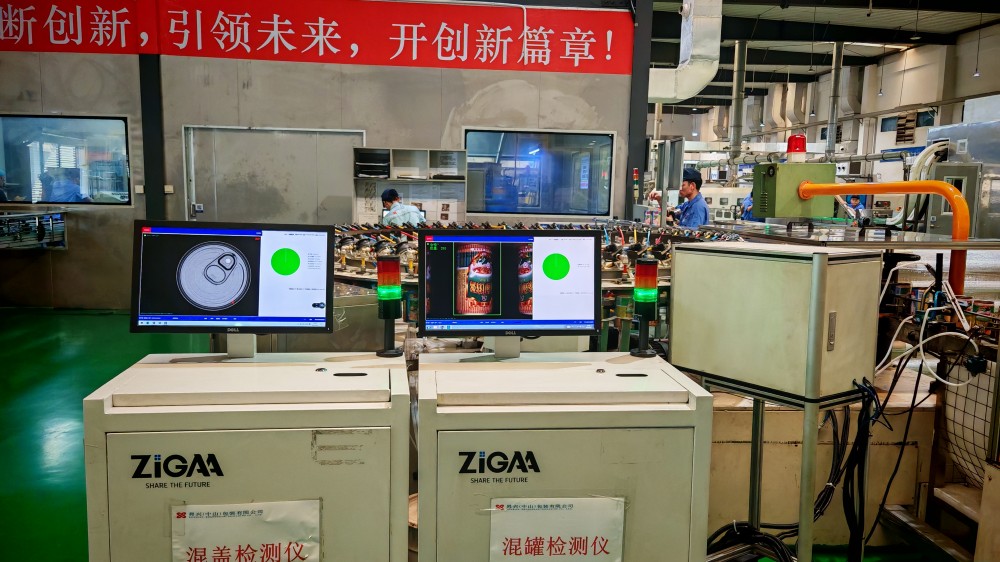
Commercial and industrial applications for tinplate cans are expanding beyond traditional food and beverage storage. Today, we see a surge in demand for high-end cosmetic tins, industrial lubricant containers, and decorative gift packaging. The inherent strength of tinplate provides superior protection against light, oxygen, and moisture, which is critical for maintaining the shelf-life of high-value products. Furthermore, the integration of AI in manufacturing—specifically in high-speed welding and defect detection—has allowed factories like ours in China to produce billions of units with near-zero failure rates, meeting the rigorous standards of global giants like Nestlé, Coca-Cola, and Budweiser.
Tinplate remains the world's most recycled packaging material, supporting zero-waste goals for modern enterprises.
Unmatched barrier properties against external factors, ensuring product integrity for up to 3-5 years.
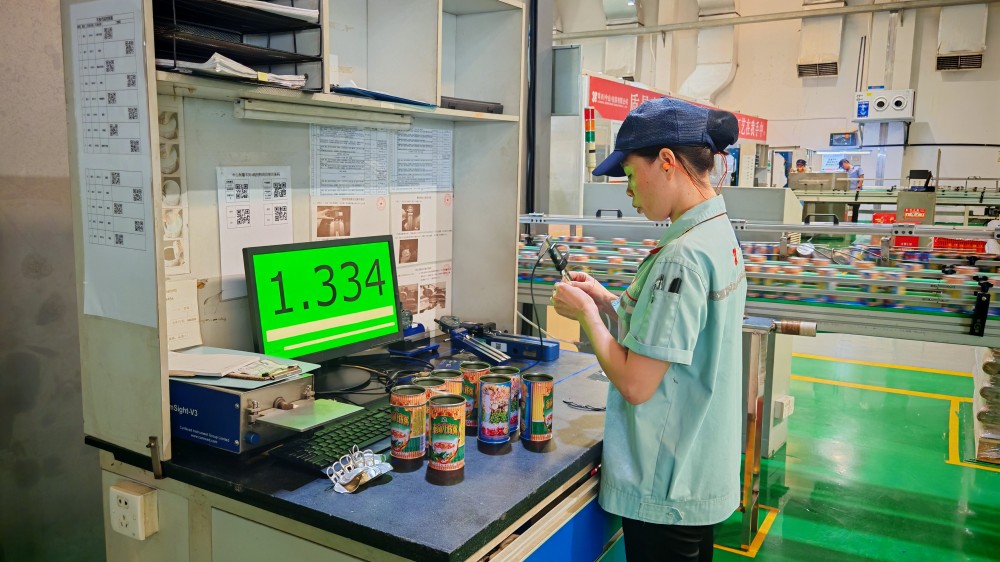
Utilization of deep-learning algorithms for real-time quality monitoring during the three-piece can assembly.
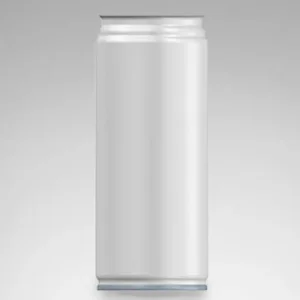
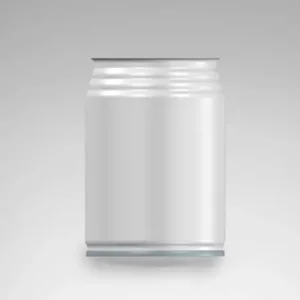
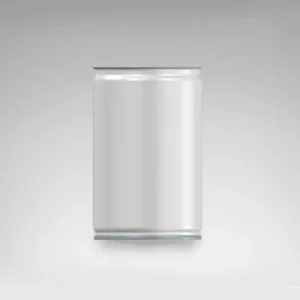
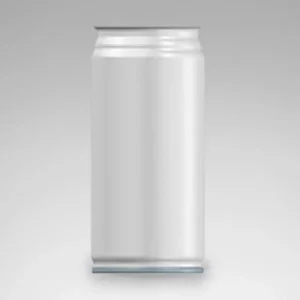
Our 240ml three-piece can represents the pinnacle of Chinese metal packaging engineering. Utilizing Swiss-made Soudronic welding technology, these cans offer a seamless side seam that is both aesthetically pleasing and structurally sound. This specific model is widely used in the Asian and Middle Eastern markets for coffee drinks, fruit juices, and functional beverages.
As a leading China tinplate cans supplier, we customize the internal coating (gold or white lacquer) based on the pH level of your contents, ensuring zero corrosion and taste preservation. The external surface supports high-definition lithographic printing, allowing your brand to pop on the retail shelf.
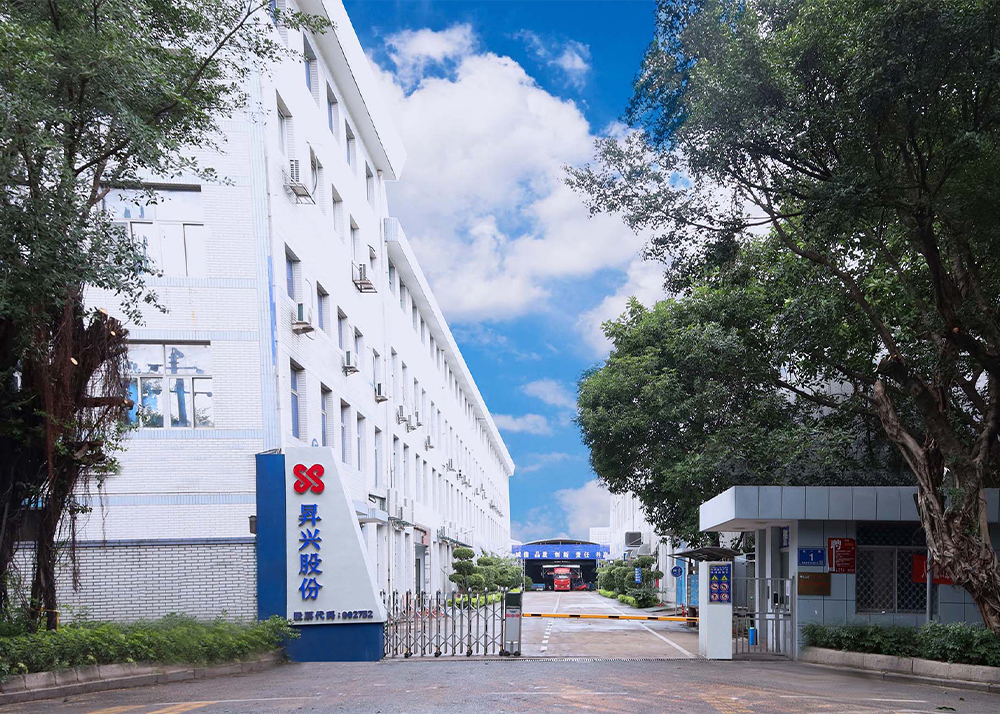
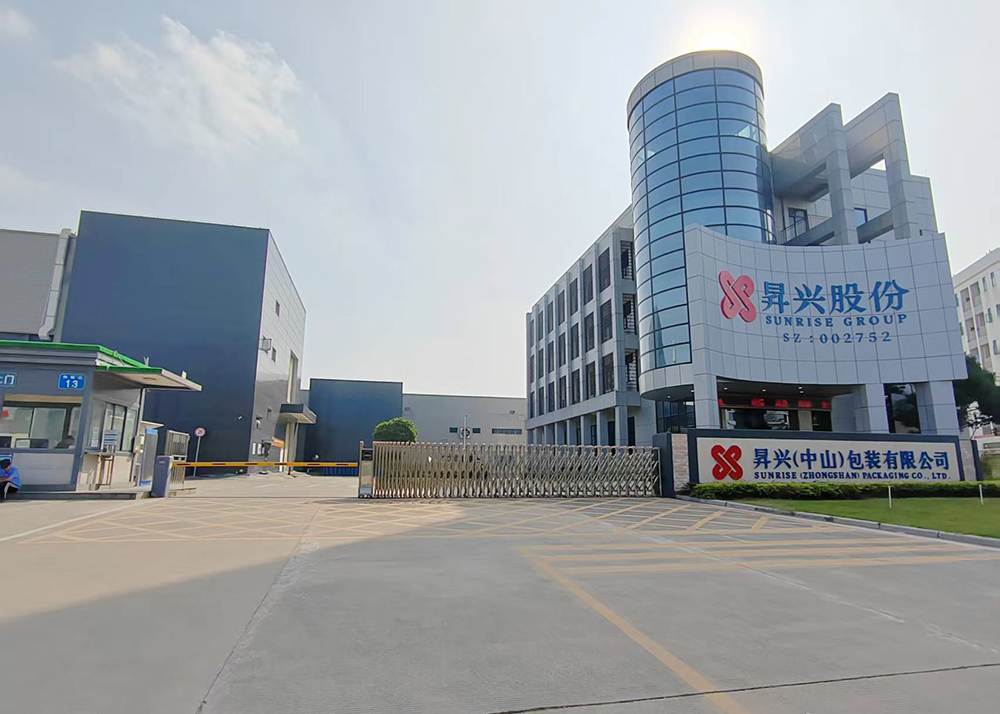
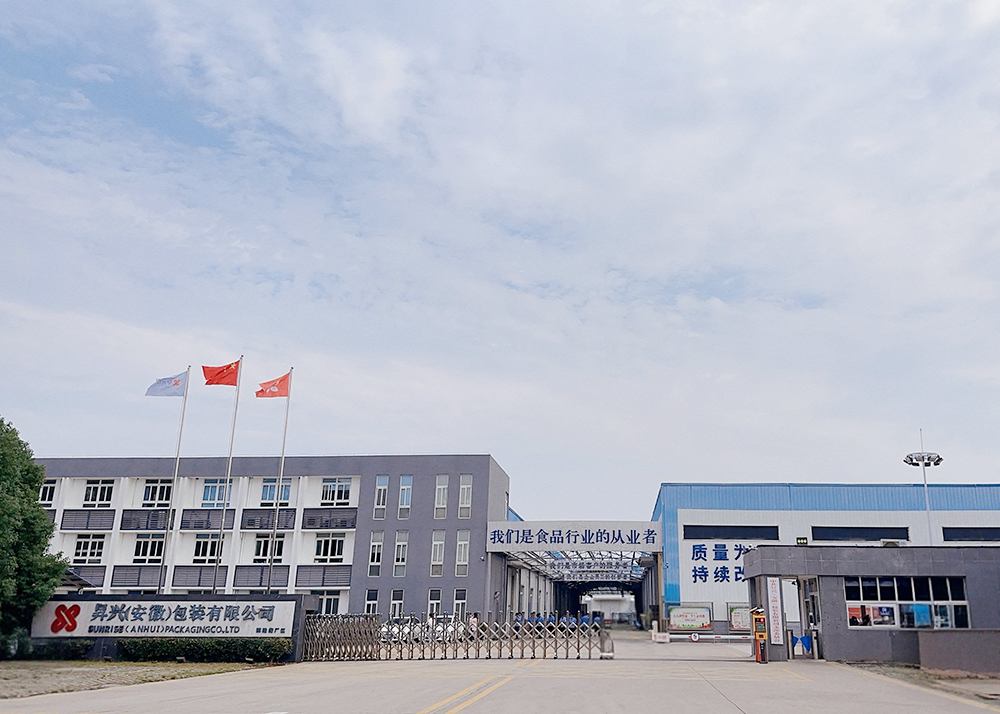
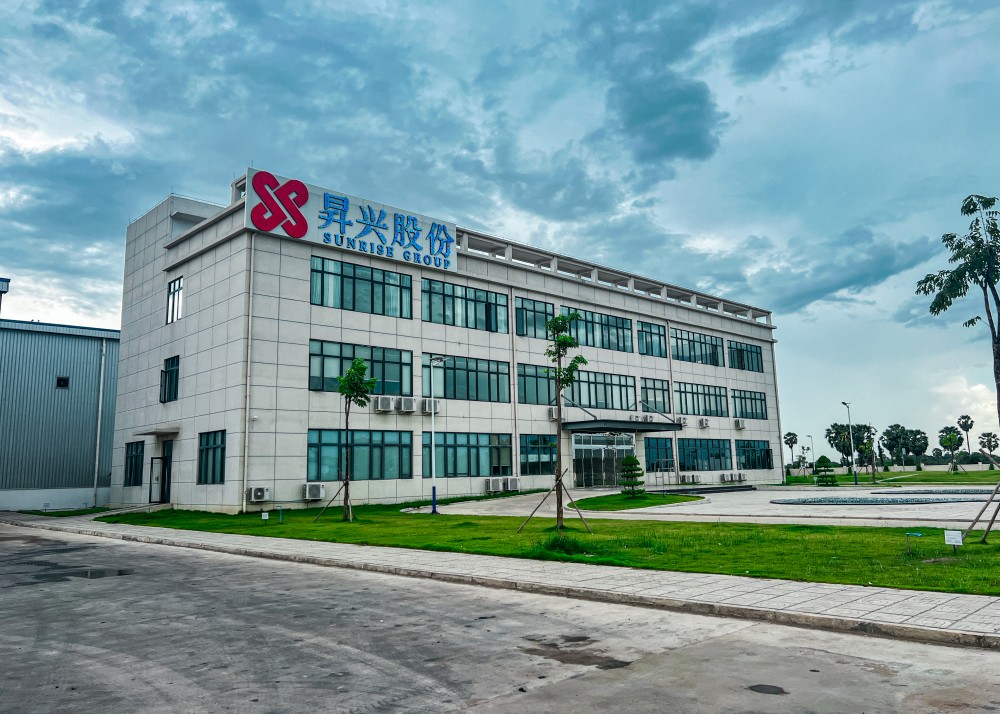
WELCOME TO LEARN ABOUT OUR ENTERPRISE
Sunrise Group Co., Ltd., founded in 1992, is headquartered in the Fuzhou Economic and Technological Development Zone. It is a diversified, publicly listed company (Stock Code: 002752) with a strong, long-standing presence in the metal packaging industry. The Group combines various functions, including metal packaging manufacturing, beverage filling, collaborative marketing services, equipment research and development, supply chain management, and industrial services, thereby creating a comprehensive and competitive value chain.
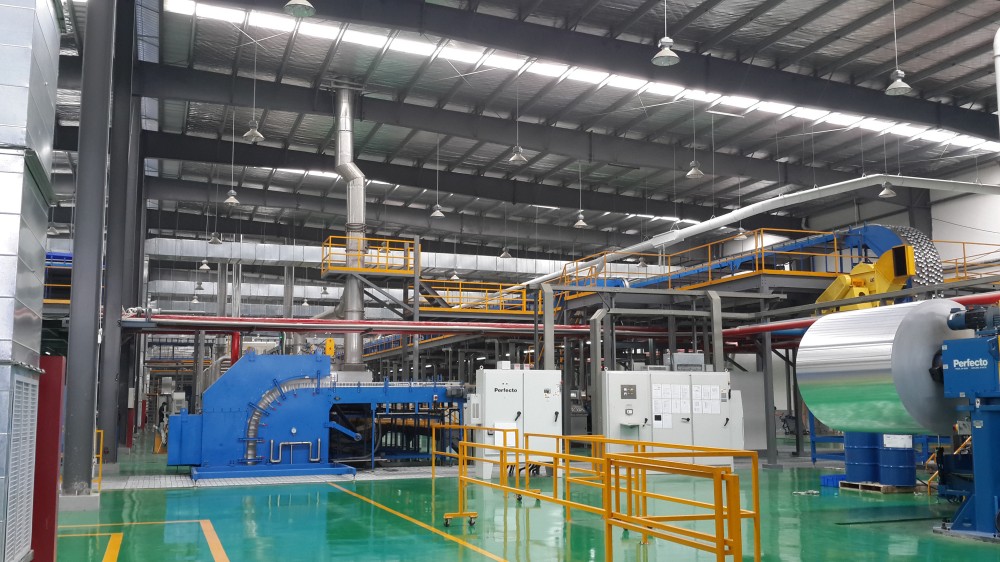
With over 33 years of continuous development, Sunrise Group has established a solid market position in the metal packaging sector. The company operates 31 manufacturing facilities across 28 cities in China and Southeast Asia, including Cambodia, Indonesia, and Vietnam. These facilities produce three-piece tinplate cans, two-piece aluminum cans, aluminum bottles as well as provision of beverage filling services, catering to a wide range of customer needs throughout the region.
Global procurement managers are increasingly turning to Chinese tinplate factories not just for cost advantages, but for the sophisticated supply chain ecosystem. In China, the integration of raw material sourcing (premium tin-plated steel coils) and finished product logistics is unmatched. As a premier China Tinplate Cans Supplier, Sunrise Group leverages "next-generation" information technologies such as Big Data and Cloud Computing to optimize our production cycles.
Industrial Status: China currently accounts for over 40% of the world's metal packaging output. This scale allows for rapid R&D. For example, when a client requires a specific "special-shaped" can or a reinforced structure for pressurized goods, our engineers can prototype and move to mass production 30% faster than regional competitors. Furthermore, the localized application scenarios in China—ranging from the massive demand for canned tea to the seasonal peaks for gift-boxed nuts—have battle-tested our production lines to handle extreme volume without compromising on quality.
Global Procurement Needs: International buyers look for three pillars: Compliance (ISO/FSSC), Capacity (Billions of units), and Communication. Our multi-national presence in Cambodia and Vietnam ensures that global brands can diversify their supply chain risks while maintaining the high standards of a centralized management system based in Fuzhou.
Modern kitchen organization and food storage require packaging that is both functional and decorative. The Three-Piece 968ml Jar Set for Kitchen Storage and Organization is a testament to our ability to branch into consumer-facing lifestyle products.
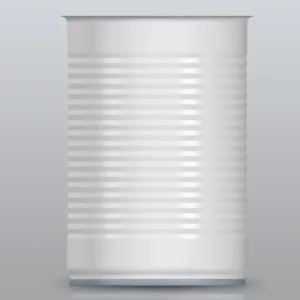
Featuring a reinforced rib design and high-quality tinplate thickness, these jars offer superior dent resistance. The airtight seal makes them perfect for coffee beans, tea, spices, and grains. By applying food-safe UV printing, we create vibrant designs that resist scratching and fading, meeting the localized needs of both Western and Eastern markets.

The company boasts nearly a hundred production lines, incorporating the essence of global intelligent machinery and equipment. We have introduced equipment manufactured by globally renowned suppliers such as Soudronic from Switzerland, KAMPF and Hinterkopf from Germany, Crabtree from the United Kingdom, Fuji from Japan, and STOLLE and BELVAC from the United States.

Certifications including ISO9001 Quality Management System, ISO22000/FSSC22000 Food Safety Management System, ISO14001 Environmental Management System, and OHSAS18001/ISO45001 Occupational Health and Safety Management System ensure that we provide customers with satisfactory products consistently.

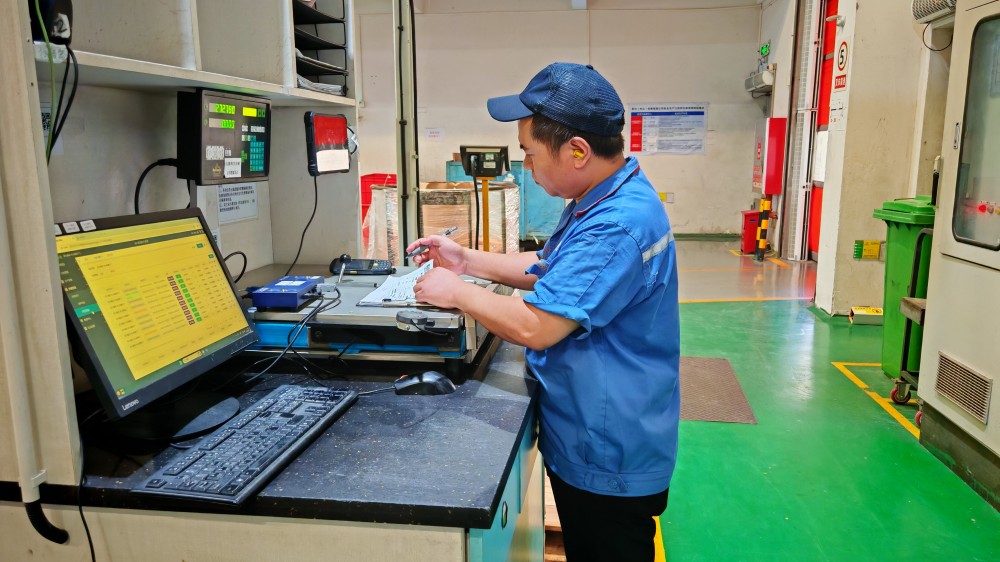
Our lab implements a rigorous inspection process from raw materials to final products. Equipment complies with GB 4806.10-2016 National Food Safety Standards for total migration, heavy metals, and coating safety, providing solid technical support for product quality.
The quality of our products meets the stringent standards of China, the United States, and the European Union.
As we look toward the future, the Tinplate Can Industry is moving toward "Smart Packaging." This involves the use of QR codes and NFC tags integrated directly into the lithography, allowing consumers to track the source of the steel and the contents within. From a manufacturing standpoint, Low-Carbon Production is the new benchmark. Sunrise Group is already implementing "Lightweighting" techniques—reducing the amount of steel used without compromising the structural integrity of the can. This reduces the carbon footprint during transport and the cost for the final consumer.
Another major trend is the BPA-NI (BPA Non-Intent) Coatings. As health regulations become stricter in the USA and EU, our factories have successfully transitioned to specialized linings that ensure no chemical migration into the food, making our tinplate cans the safest option for infant formula, condensed milk, and organic beverages.
Utilizing next-generation information technologies such as "Artificial Intelligence, Big Data, Cloud Computing, and the Internet of Things," we focus on "experience optimization, efficiency improvement, and model innovation."
Sunrise is committed to integrating the concept of sustainable development with the company's strategy and core values, pursuing new quality productivity, and contributing to high-quality economic and social development. Using data analysis, we drive the in-depth construction and reconstruction of digital business systems, enhancing the group's perception capabilities, organizational capabilities, and decision-making capabilities. The deep integration of informatization, digitalization, and low-carbonization has become the core engine driving the company's stable growth.
 Sunrise Cans